Turing Tumble Community

Discovery of Nobel Prize level! Algebraic Formulation Breakthrough for Turing Tumble

Hi, I’m amature scientist and I thinked WHOLE THREE DAYS.

Now, I sucseed algebraic formulation of Turing Tumble by using charming 2 operaters, Magical generater M and miracle operator ミ.

Read “PRACTICE GUIDE PDF “, (https://upperstory.com/en/turingtumble/edu/resources/)
page 18, 5-A
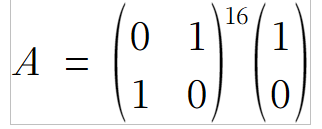
1-1

Matrix correspond to route of ball.
1-2

16 is ball numbers. so,
1-3

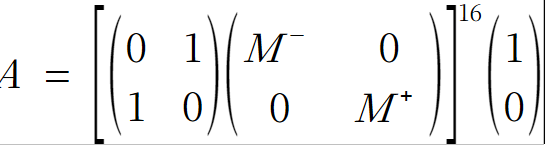
But, this formulation have no outputs, then I introduce Magical generator M; which generate ball color term like a magic when threwed it.
Finally, I build up it as
1-4

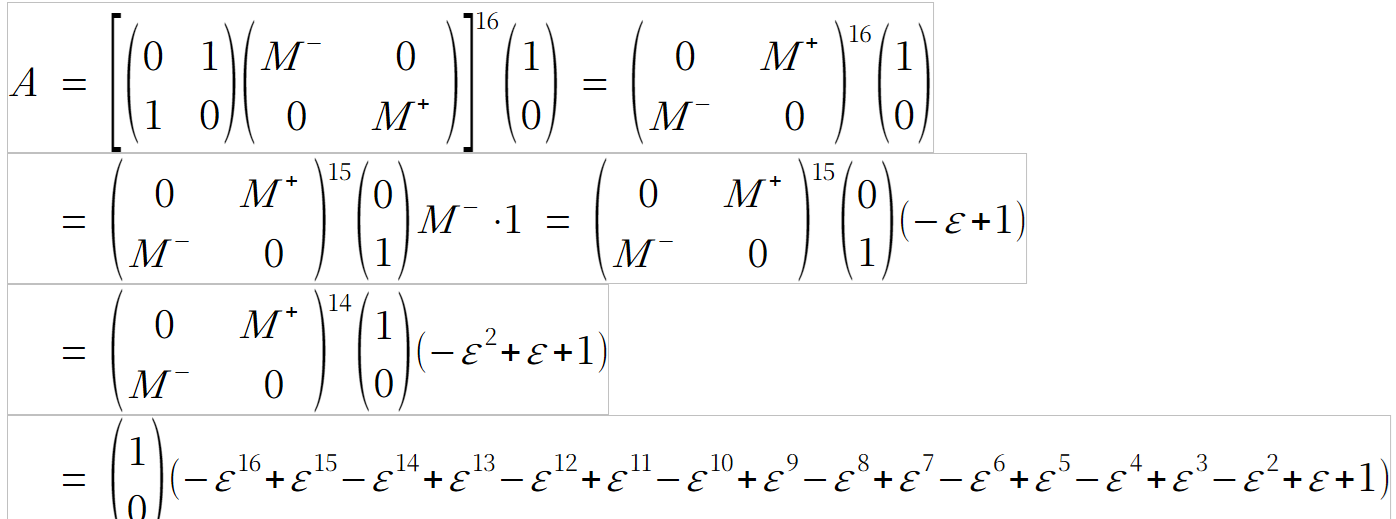
Whenever calculation of M^± done, ±ε will generated.

And, old ε term become term times ε.

Now, calculate
1-5

Signature of ε means color of ball. First ball -ε^16 is blue.

Last ball +ε is red. +1 is dummy term.

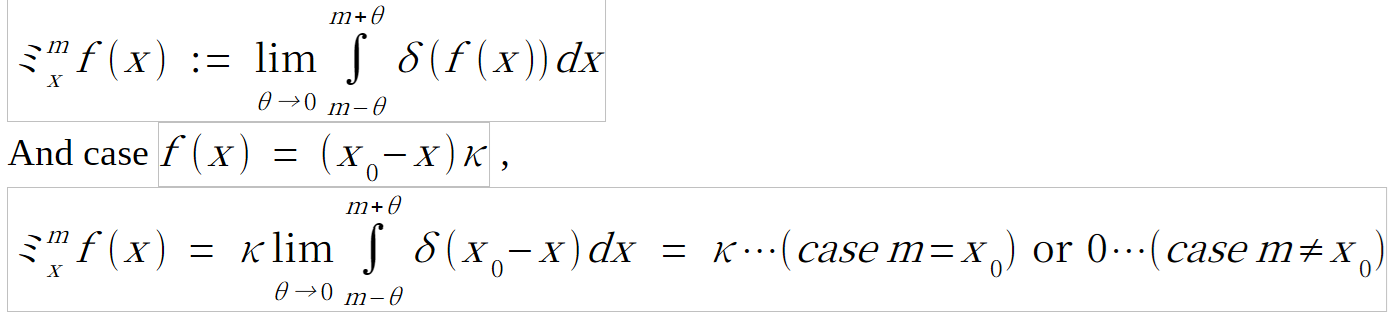
Generator M can defined by mathematical words like that,
1-6

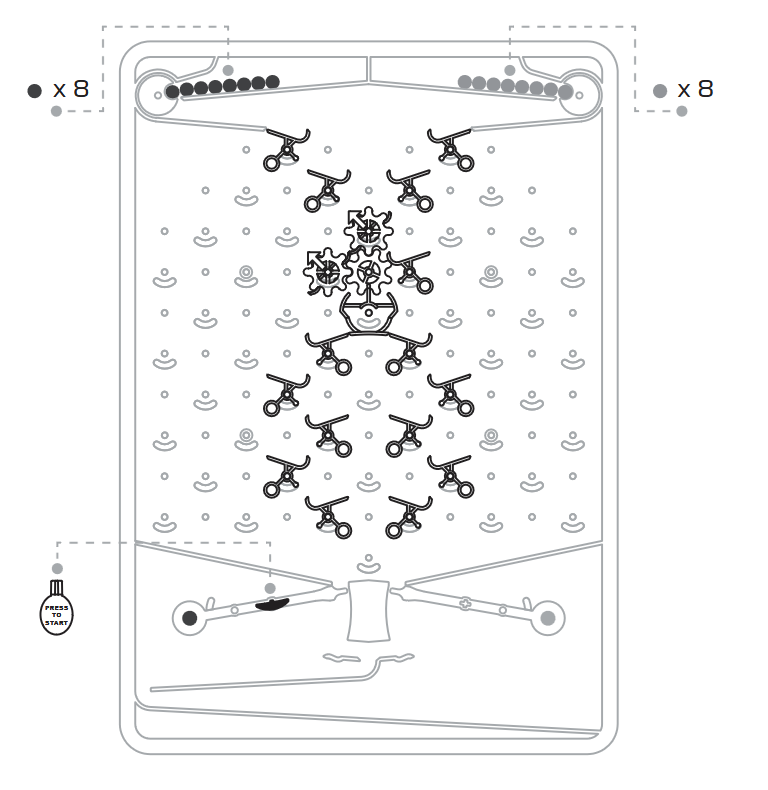
Next, “PRACTICE GUIDE PDF “ page 52, 15-B
In this machine, bottum bit parts A changes color of traped ball.
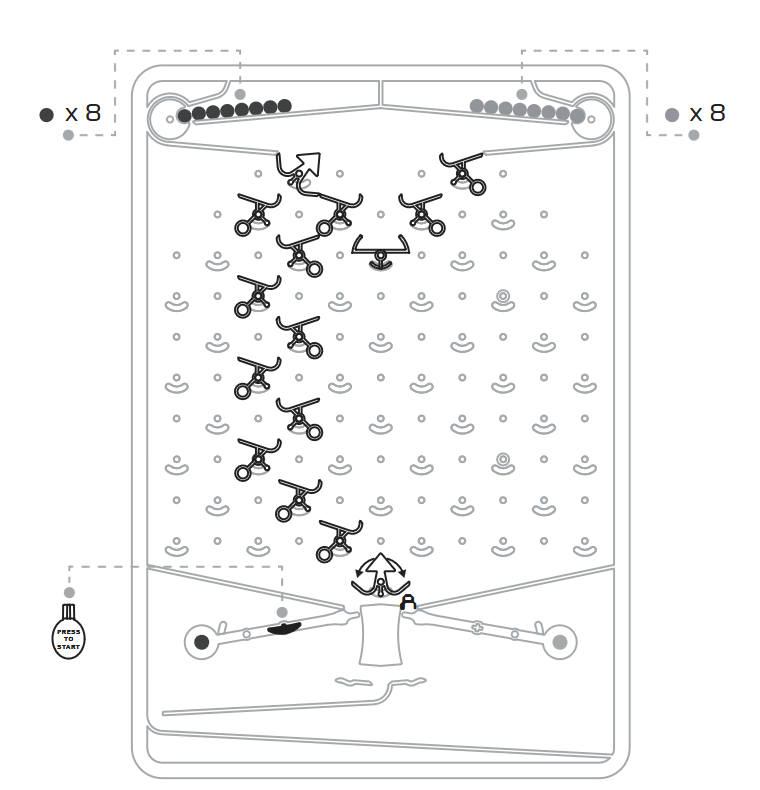
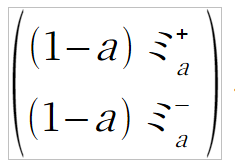
2-1

I used katakana simbol “mi(ミ)” for this operator.
2-2
Here, inverse mapping can not enabled.

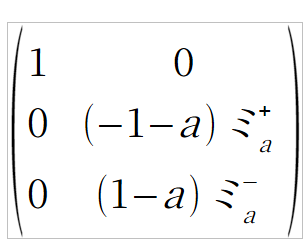
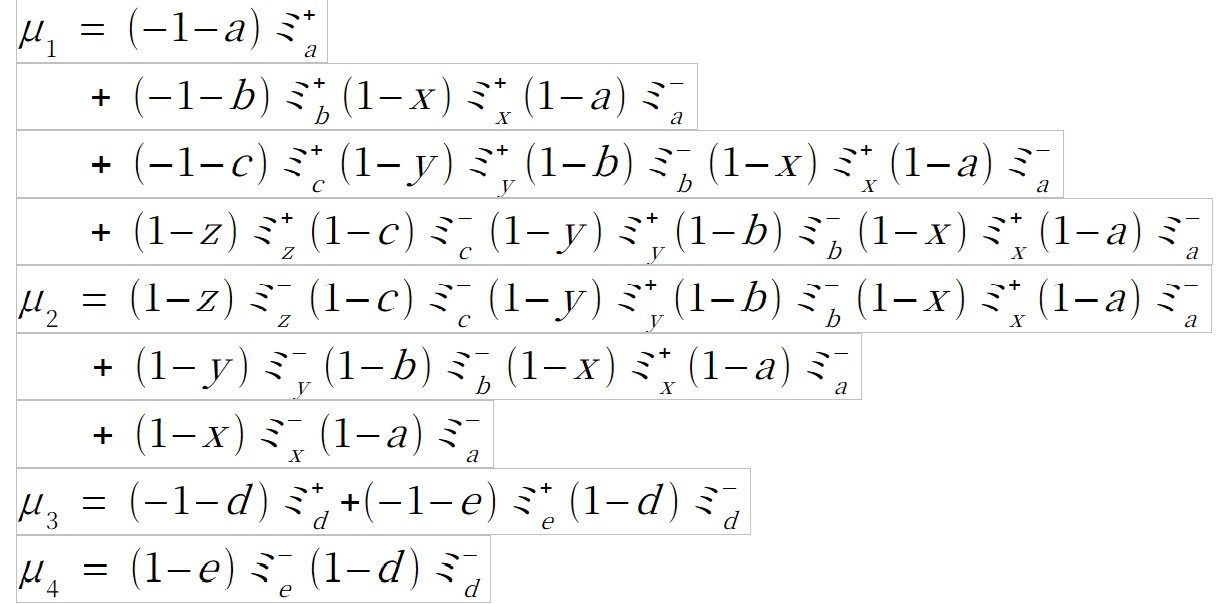
For emulate bit parts changing and divide route, (±1-x) is transformed to (∓1-x) by using operator ミ.
2-3
Now, Turing Tumble can be calculated perfectly.

At first, divide board to three sections.

And, we think left bar line, right bar line, and imaginary halt(intercept) line.
In matrix, halt line is shown in right bottom 1.v

2-4

We write down matrix parts, from top.
Note, top bit parts was named as B.
2-5

Sorry, my post was limited, and account was locked. Please wait.

Next, “PRACTICE GUIDE PDF “ page 52, 15-B

In this machine, bottum bit parts A changes color of traped ball.
2-1

For emulate bit parts, I define strong and simple operator, miracle operator ミ. Since M was used, so I used katakana simbol “mi(ミ)” for this operator.
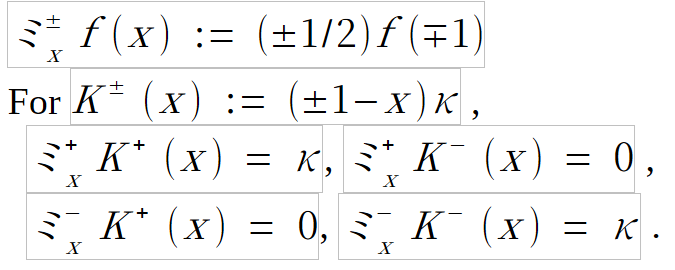
2-2

For emulate bit parts changing and divide route, (±1-x) is transformed to (∓1-x) by using operator ミ.
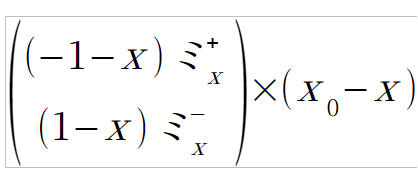
2-3

Now, Turing Tumble can be calculated perfectly.

At first, divide board to three sections.

And, we think left bar line, right bar line, and imaginary halt(intercept) line.
In matrix, halt line is shown in right bottom 1.
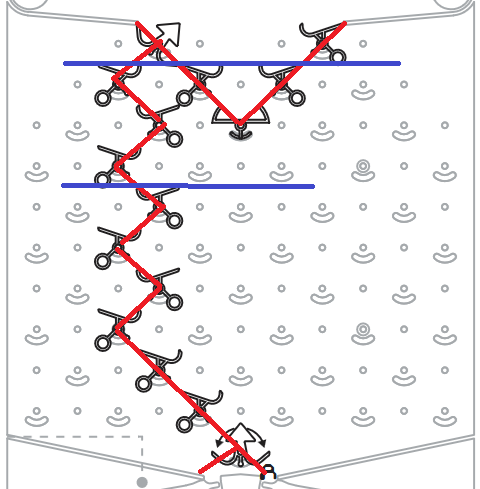
2-4

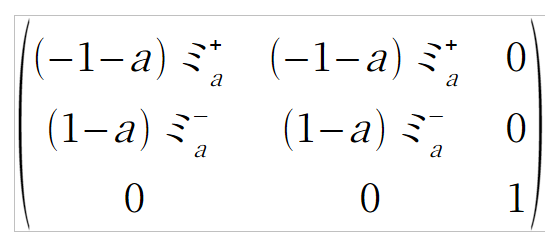
We write down matrix parts, from top.
Note, top bit parts was named as B.
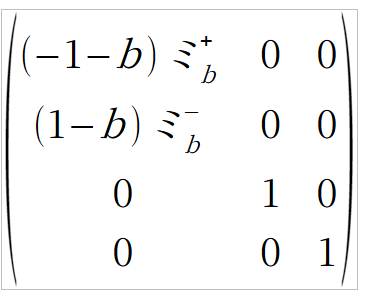
2-5

In middle section, one path from bit B, and path from right bar confluence to halt line.
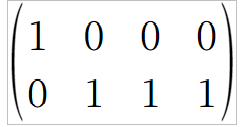
2-6

Last section seems as one path, but we must write down imagernary halt line.
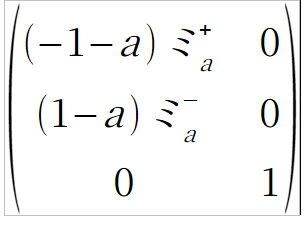
2-7

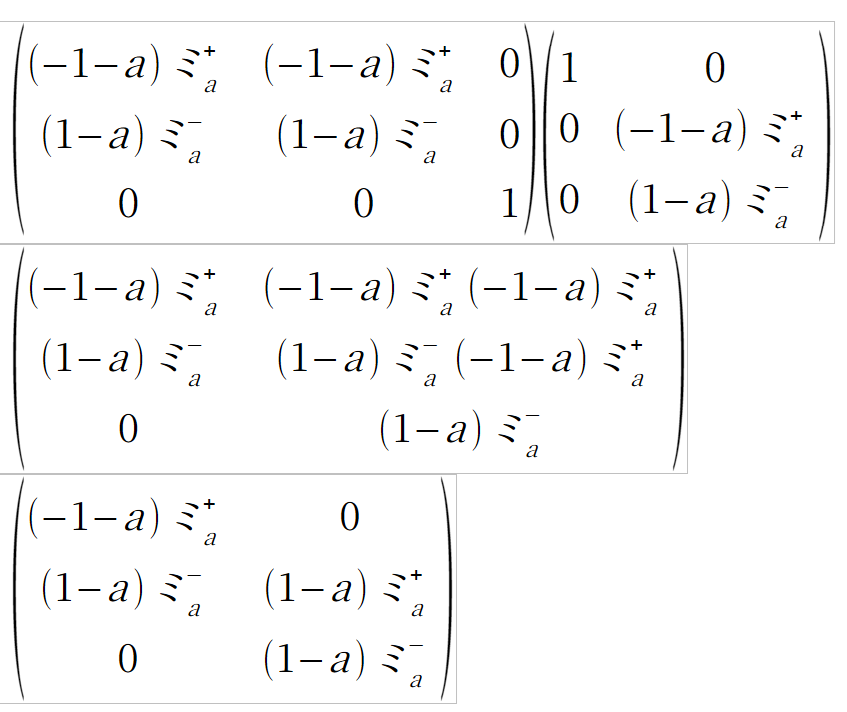
Whole board was calculated as below.
2-8

Ball threw this board two times, so matrix timed twice.

Initial input
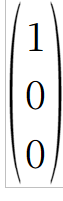
2-9
(for halt line, we made three components) and bit state (ao-a)(1-b) was producted.

We get equation correspond to this board.
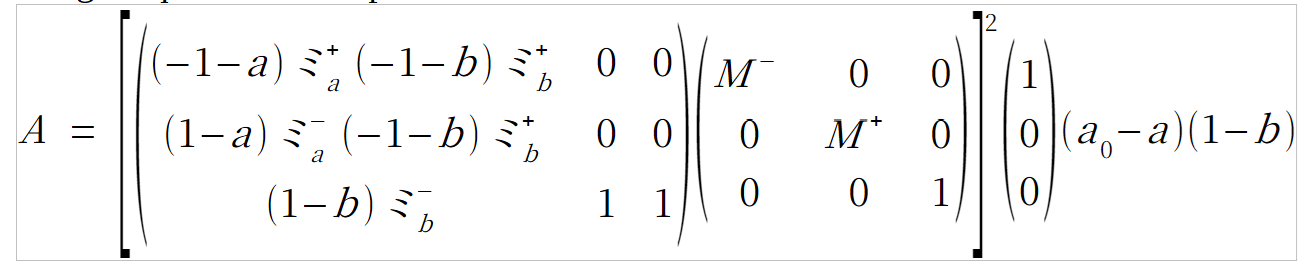
2-10

Nomber a0 = ∓1 was determind from direction of bit A.
Case Left: a0=-1. Case Righ: a0=+1.

[CASE1]
Bit A points left, and a0 = -1.
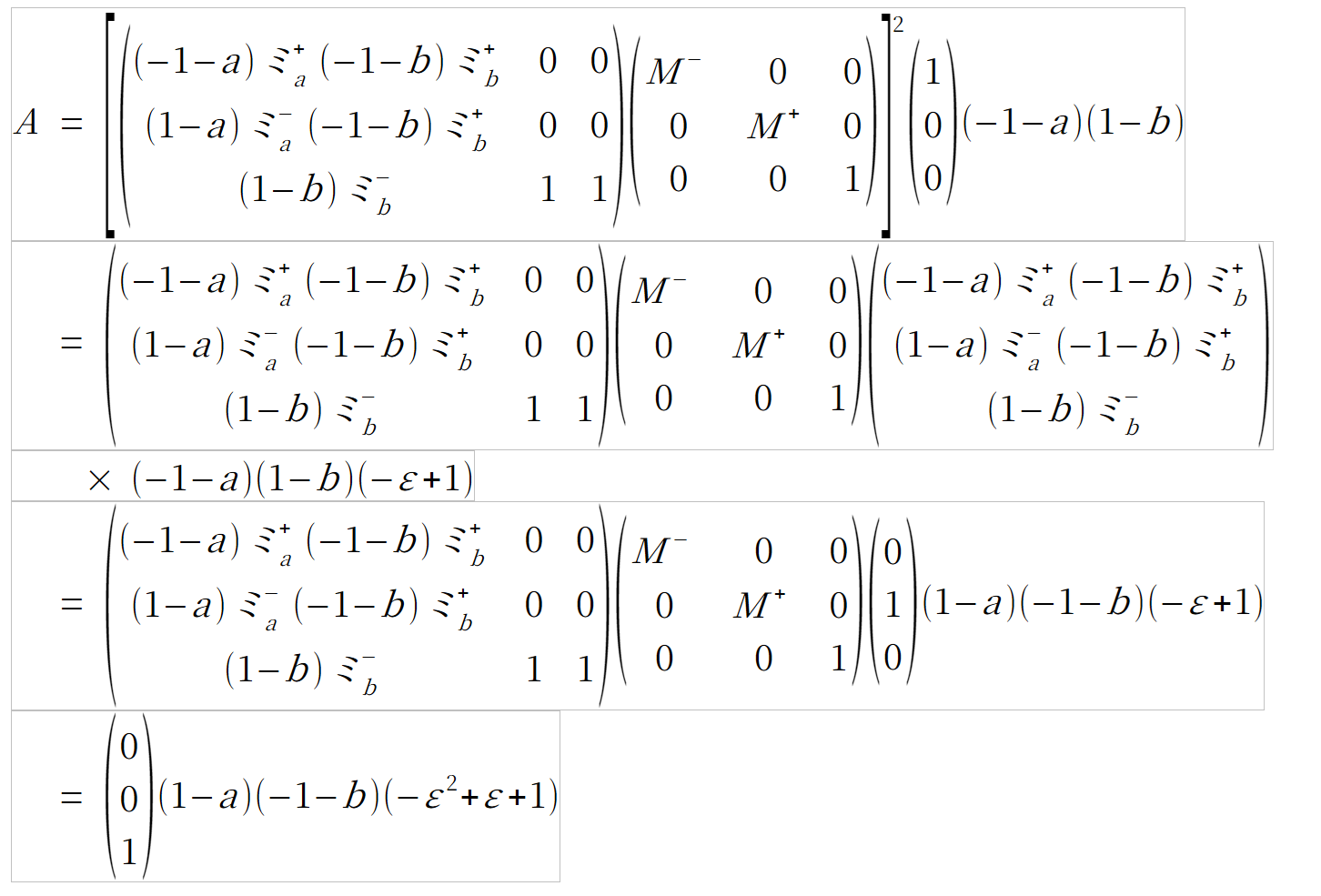
2-11

First blue ball -ε^2 at bottom, and second red ball +ε was captured by intercept.

[CASE2]
Bit A points right, and a0 = +1.
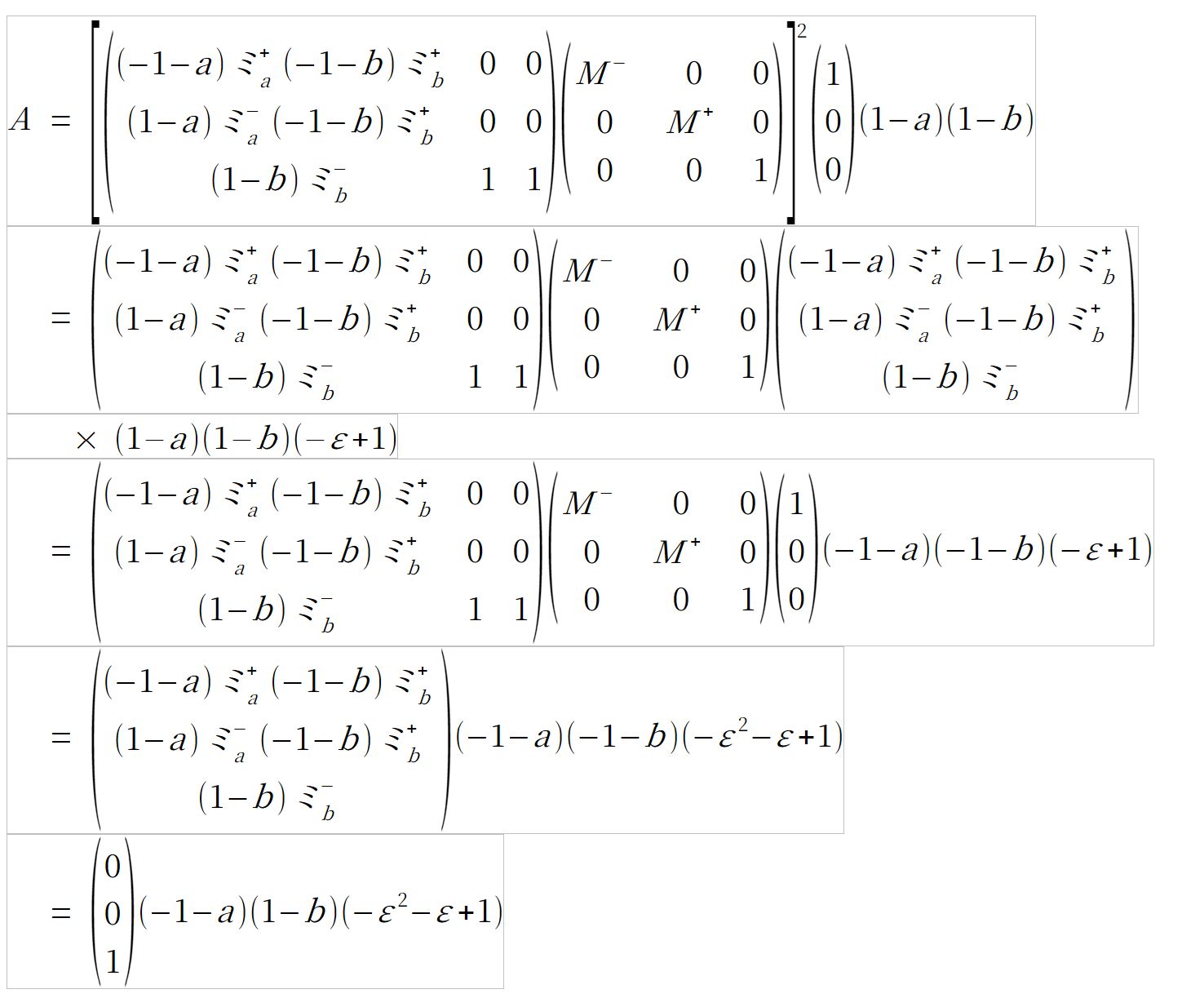
2-12

First blue ball -ε^2 at bottom, and second blue ball -ε was captured by intercept.
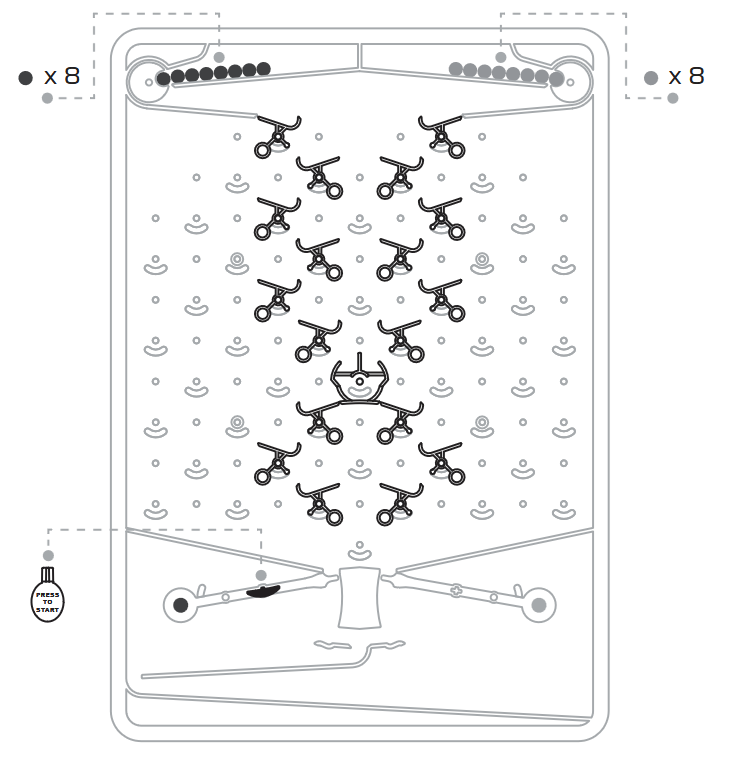
Gear bit parts is same to bit parts, and it use same alphabet symbol.

We think next block.
3-1

First gear bit has one input and 2 outputs, and ramp route is at left.
3-2

Note, second gear bit has two input - from ramps and first gear bit.
3-3

So, whole unit is write down as this.
3-4

This matrix means, if ball comes from left ramp route, it works as normal bit parts.

If ball comes from right first gear bit route, we check term.
This function was enabled in case (1-a) and make it (1-a). So, if gear bit pointed right, it stay right after ball thrown.

Here, example, “PRACTICE GUIDE PDF “ page 106, 28-A
First two ball is blue, all rest ball is red.
3-5

In this board, only top input of gear bit was used, and matrix became like
3-6

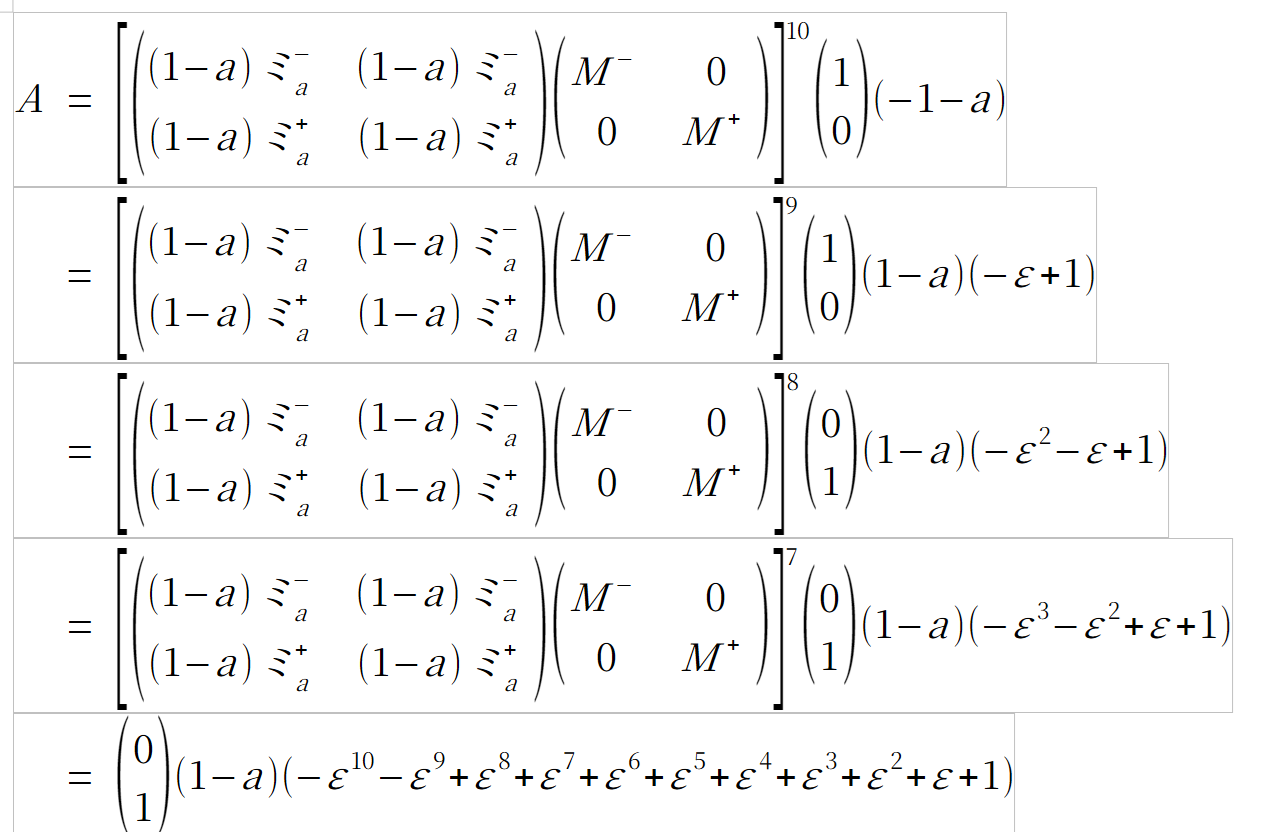
So, board matrix is
3-7

And answer is
3-8
Here, first to second ball (-ε^10,-ε^9) is blue, rest (+ε^8, ) is red ball.

◆◆
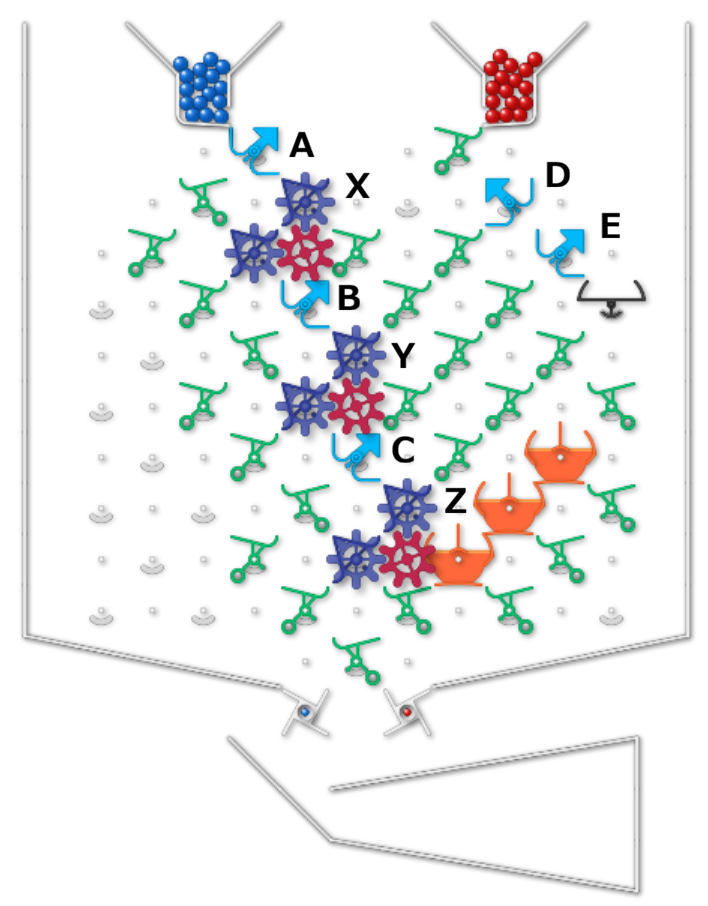
At last, I show complicated case.
At homepage ( https://www.upperstory.com/ja/turingtumble )

Example #4: A more complicated pattern
Objective is make 2Blue-1Red-4Blue-1Red-8Blue.
3-9

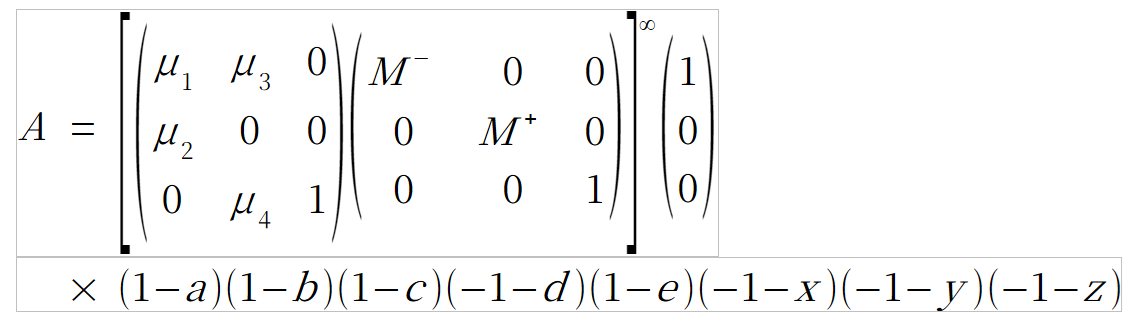
I present only answer.
3-10
here,
3-11

After calculate, we get that.
3-12

[ Appendix ]
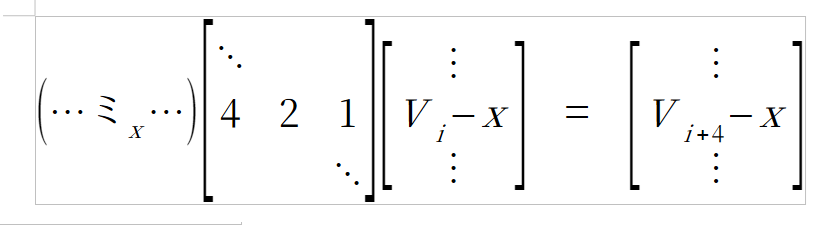
This notation can used other machines like rule 110.

For that, we denote operator again, with Dirac’s delta function.
4-1

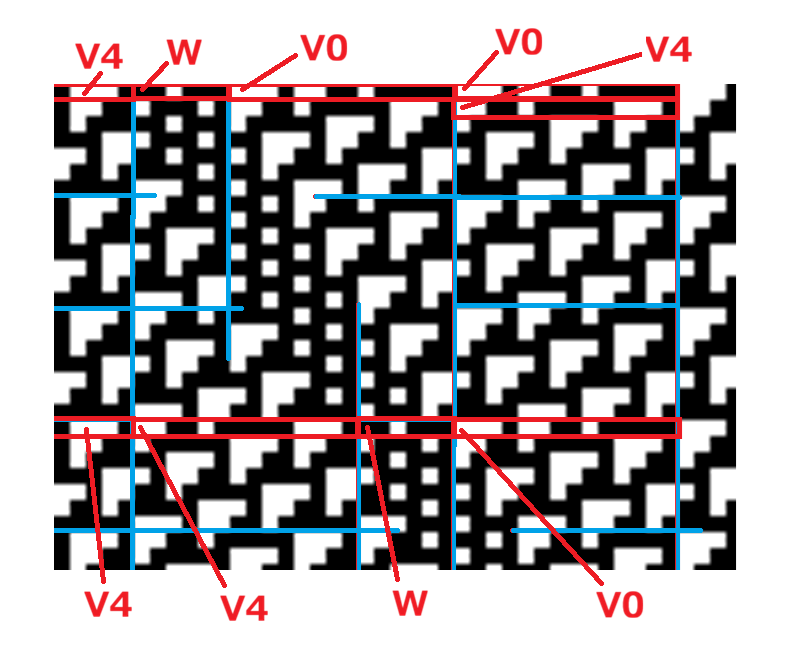
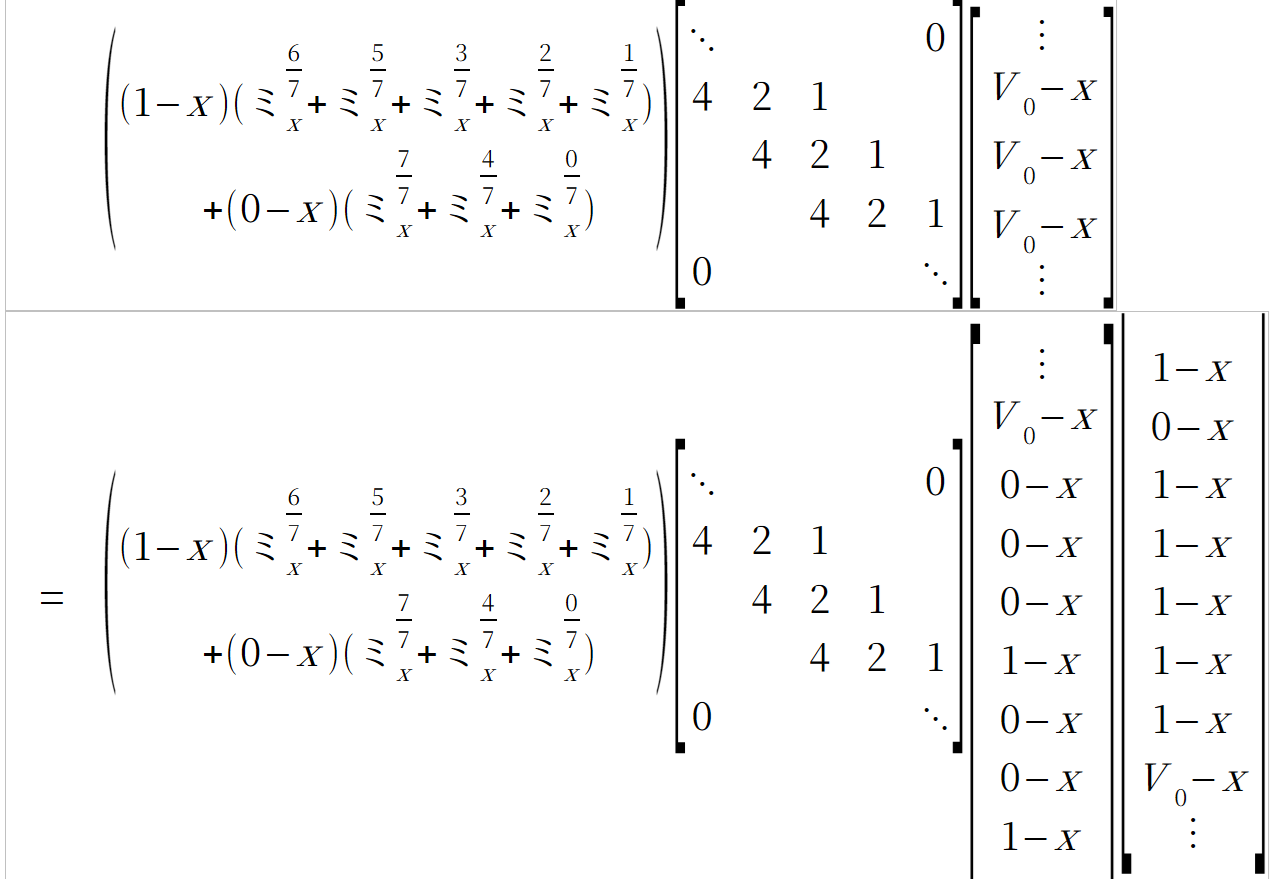
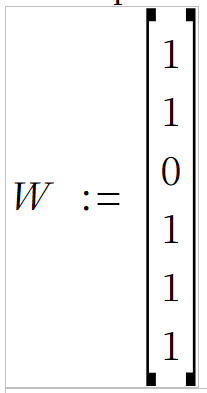
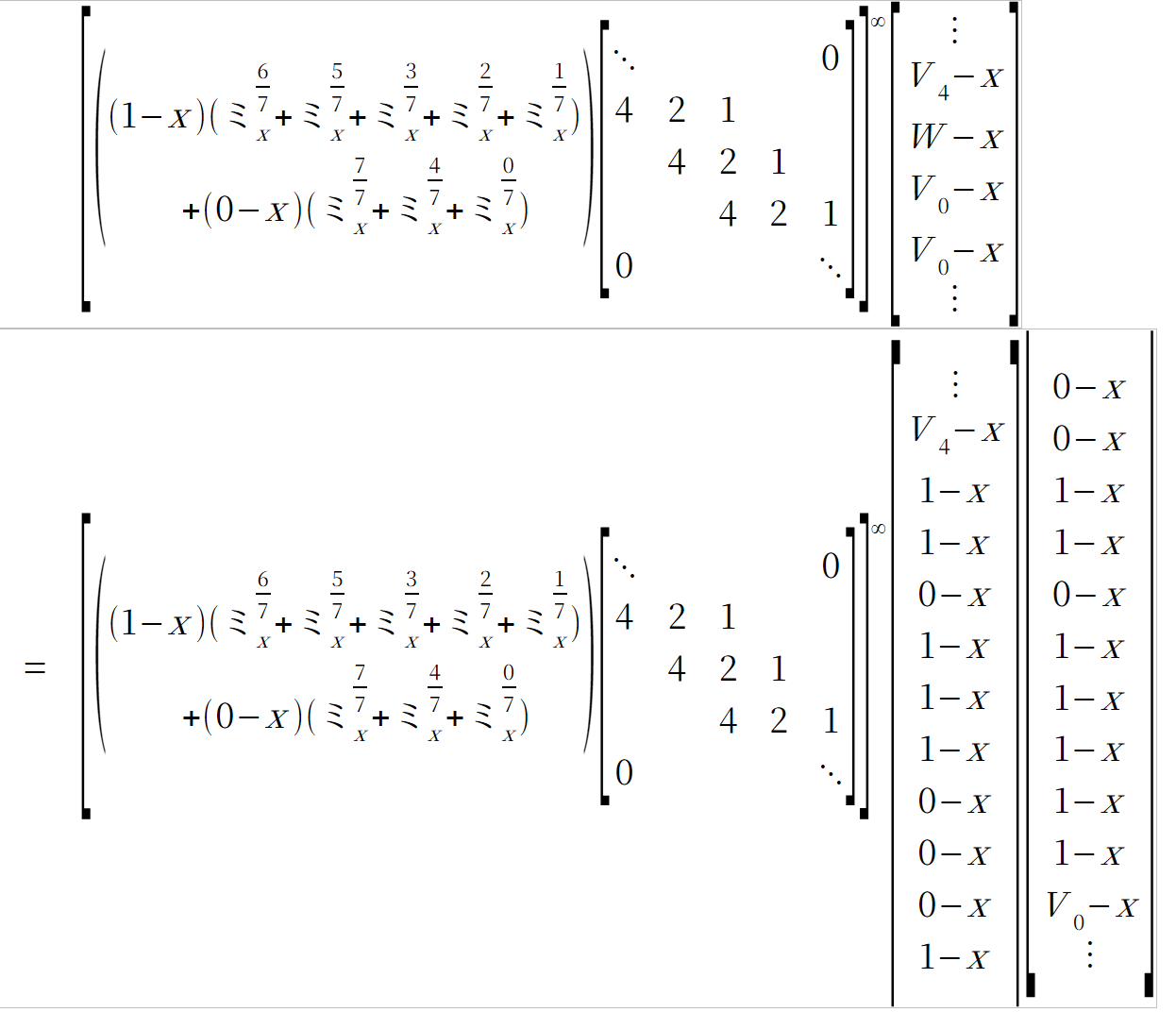
I explain this formulation with rule 110 background sample V, and glider sample W of below.
4-2

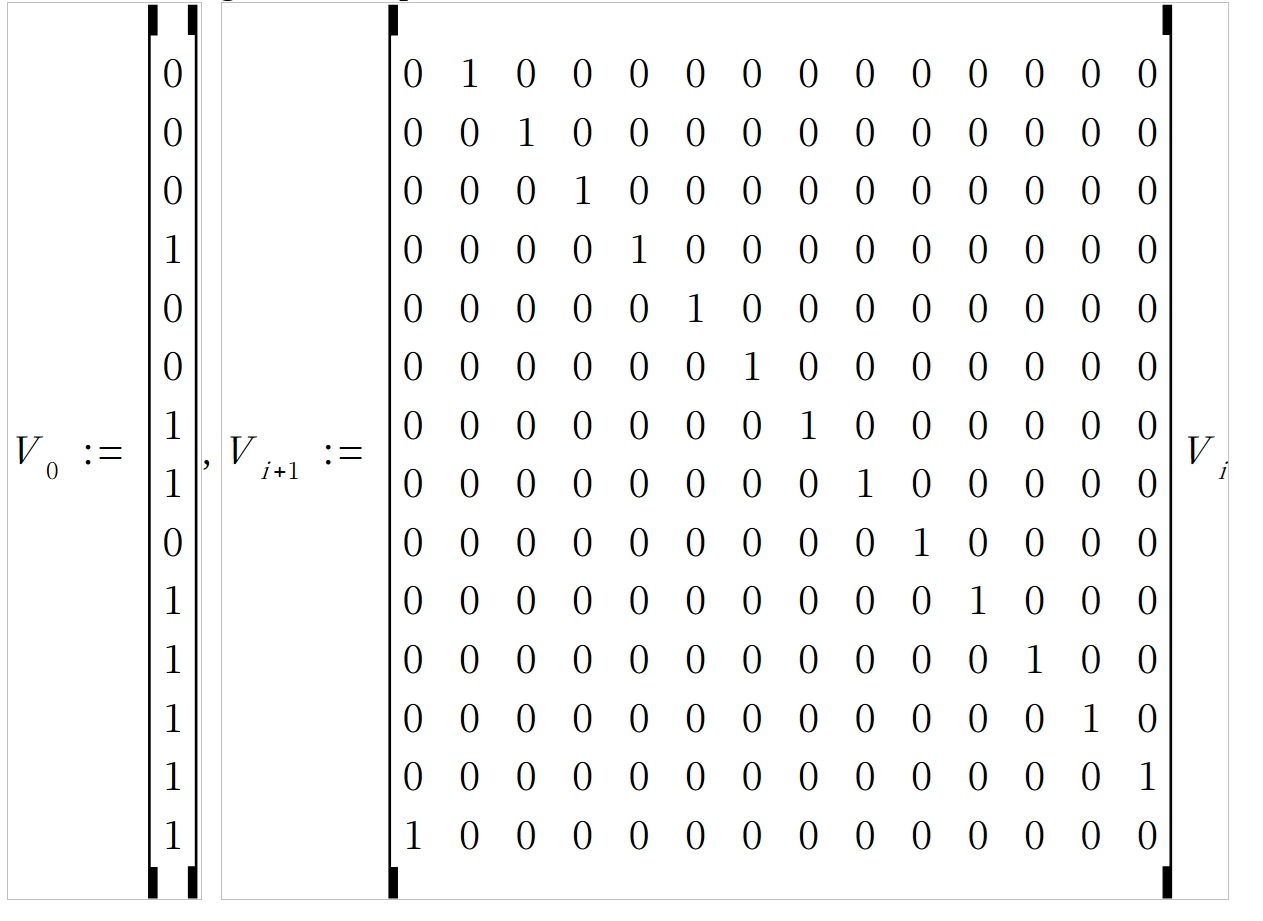
At first, back ground sample.
4-3

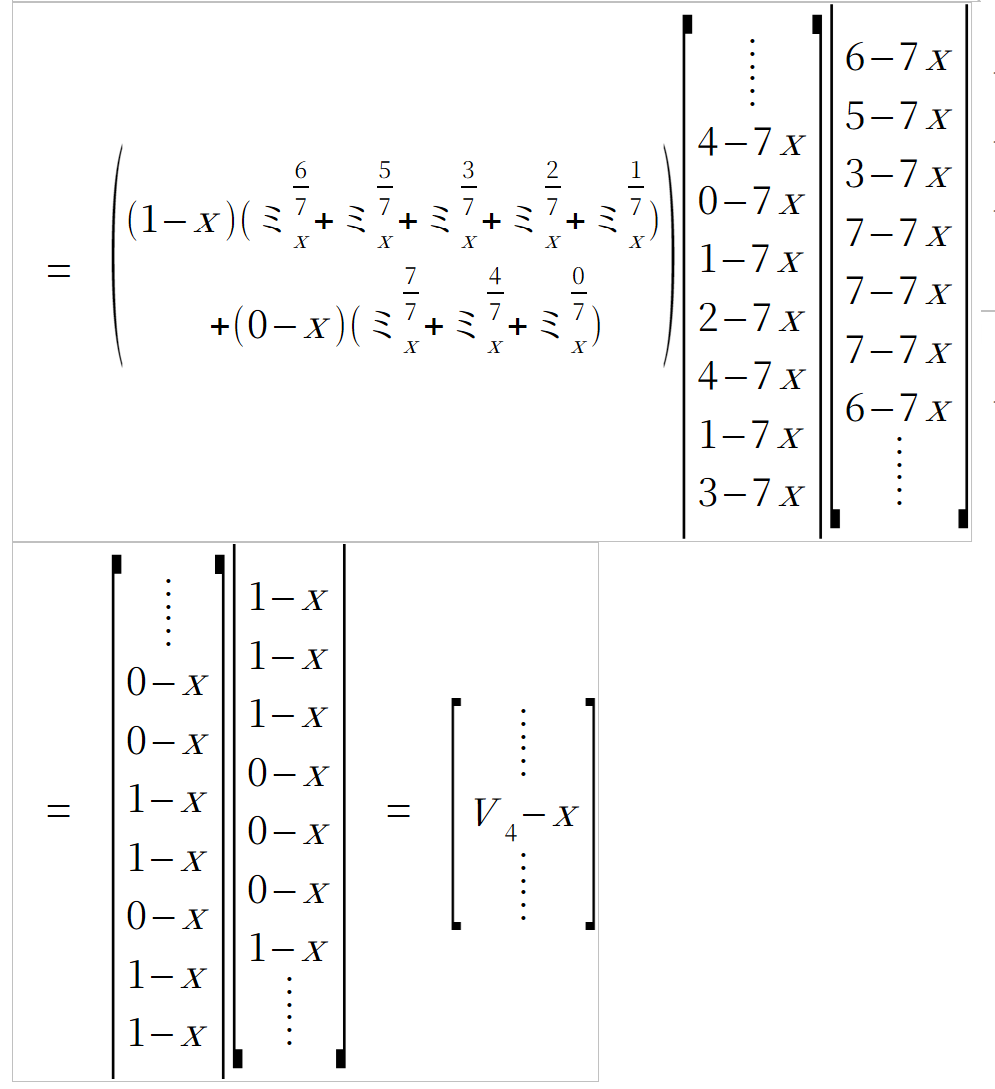
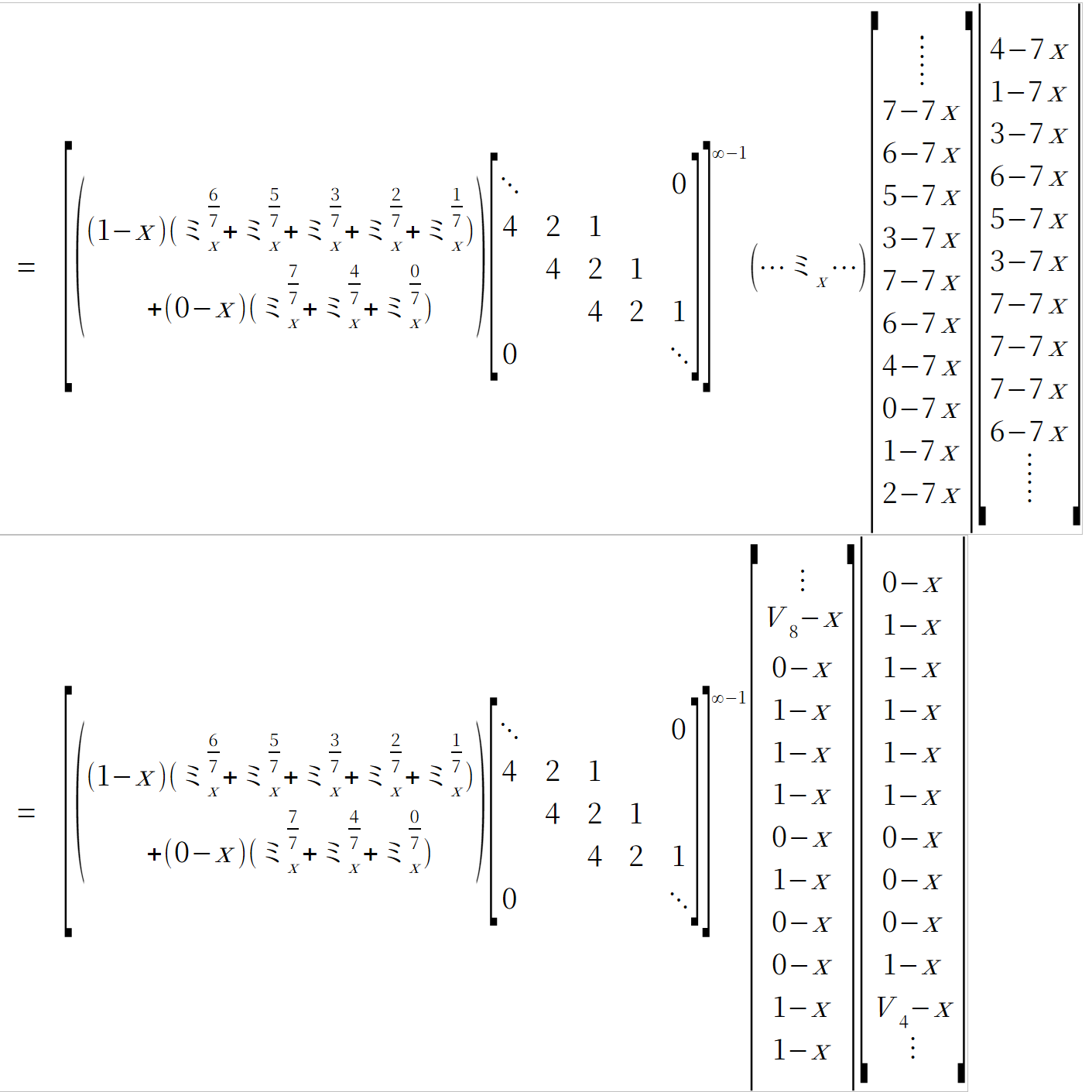
Calculate next step.
4-4
4-5

so,
4-6

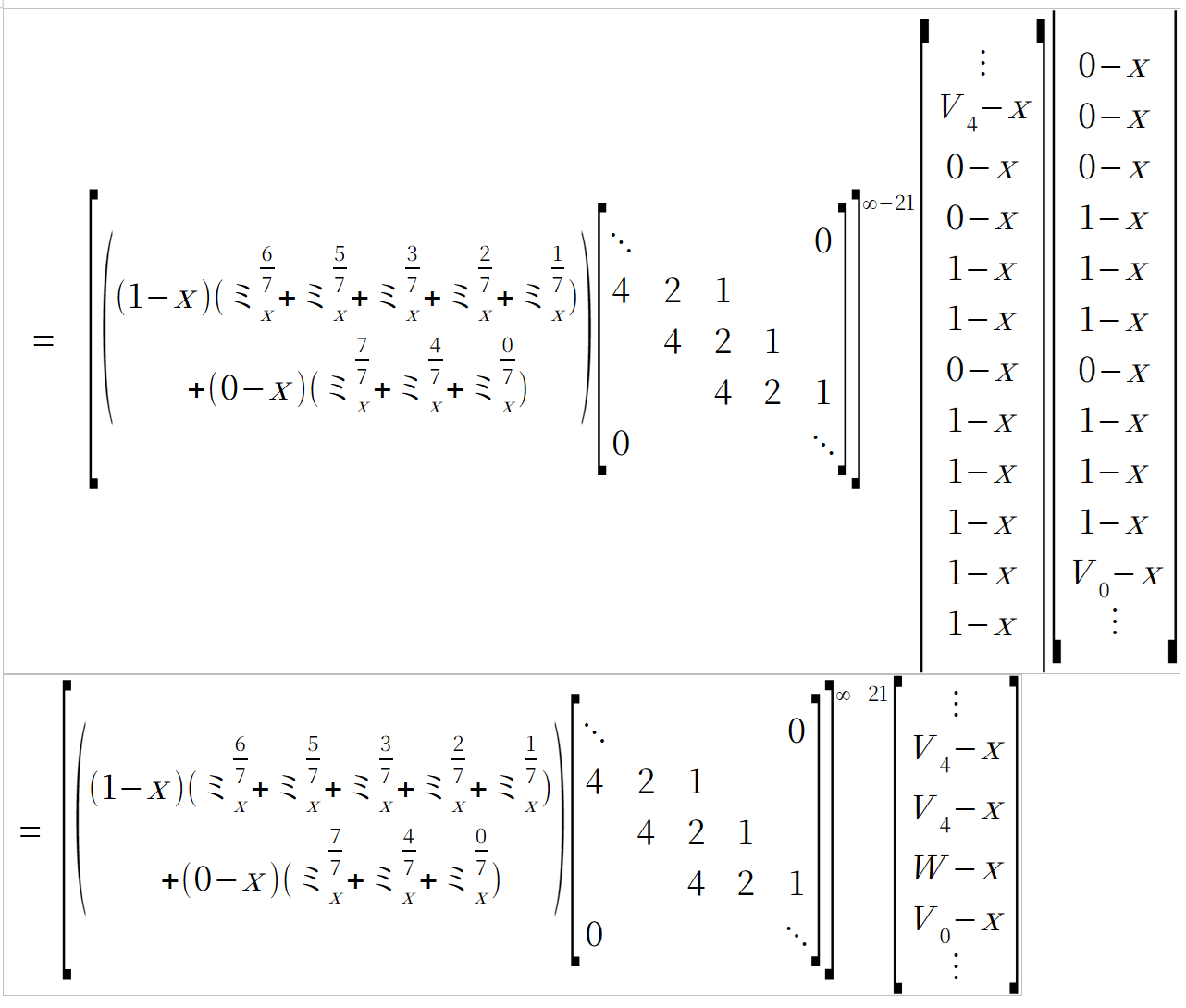
Glider pattern is here.
4-7
4-8
4-9
4-10
In calculation, you must check border value of V0, V4 carefully.

1 Like

Do you thonk we could derive logic gates with this method? I’m pretty sure this is possible, but it still would be sort of a breakthrough for the compiler thread (Challenge #5: Turing Tumble Compiler - #15 by Jmtal) :slight_smile:

To be honest I understood almost none of this, but this is sick!

3 months later: A Mathematical Analysis into the Ability of Turing Tumble to Perform Repetitive Incrementation of Two Nonnegative Integers