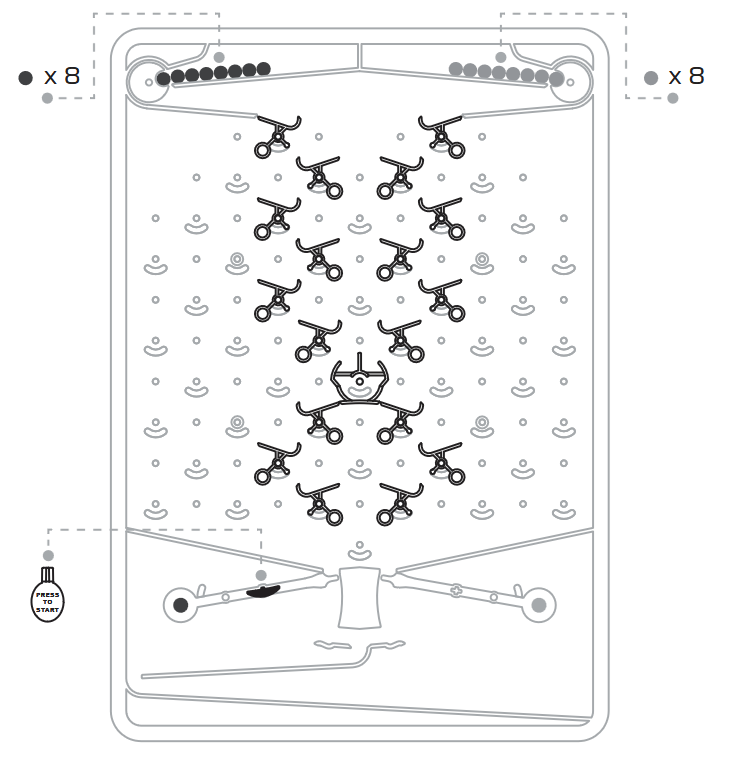
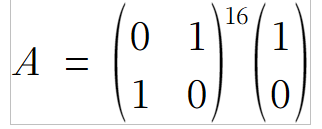
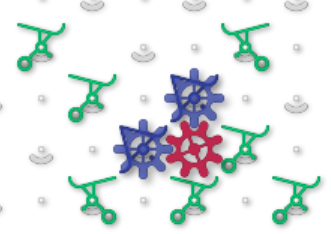
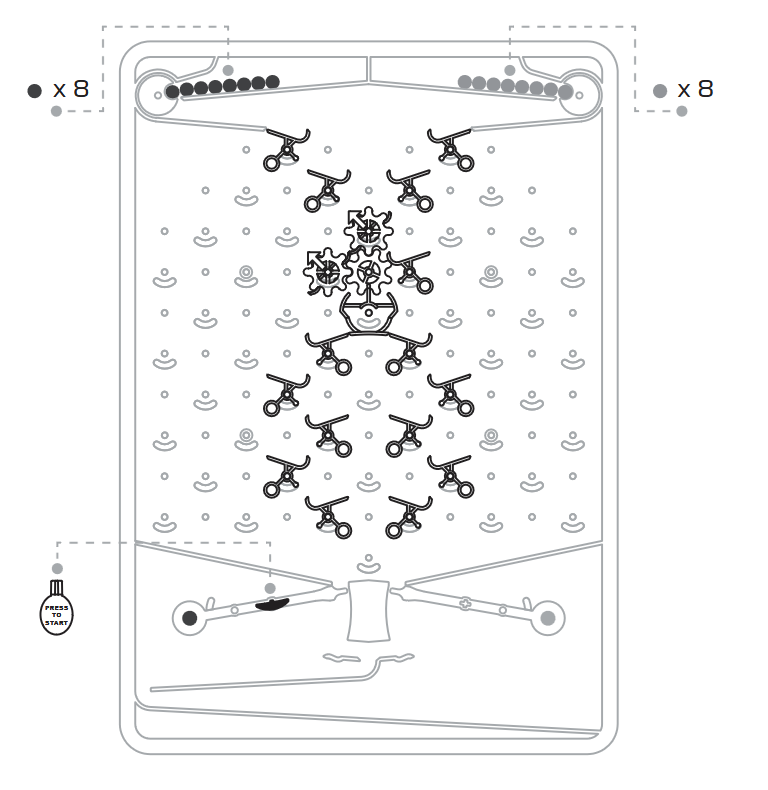
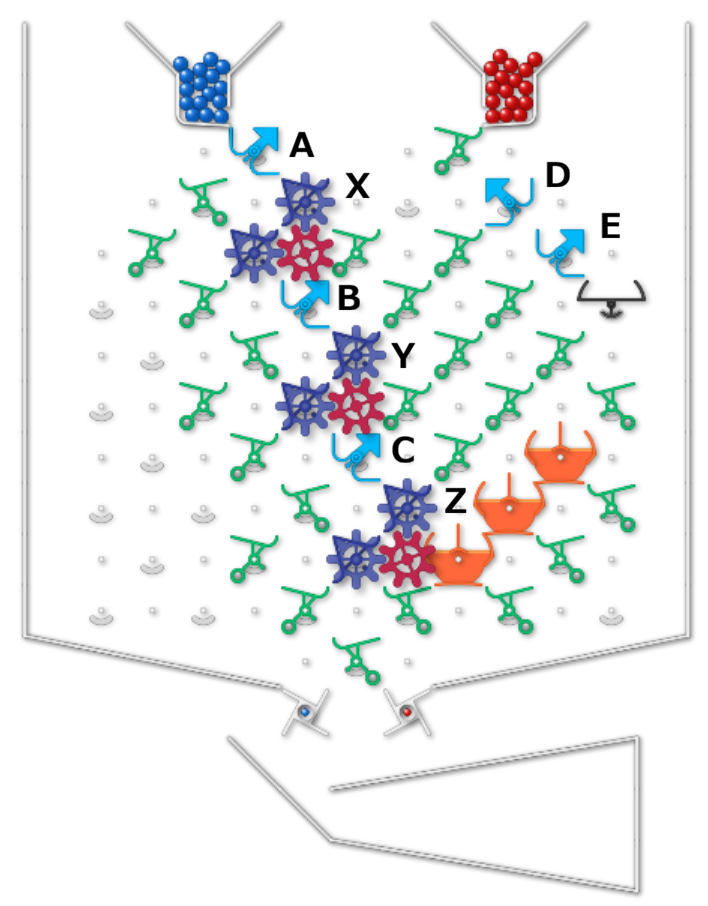
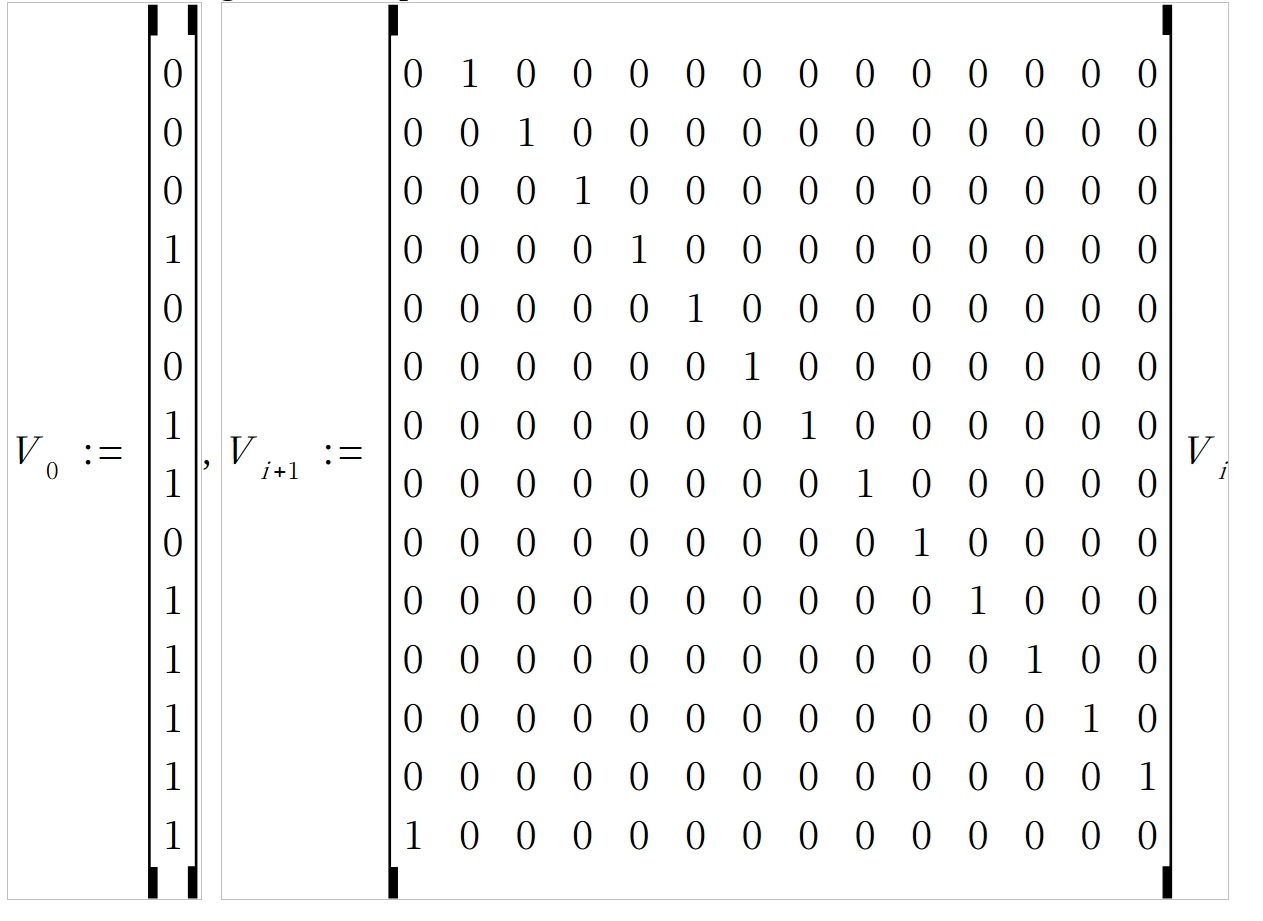
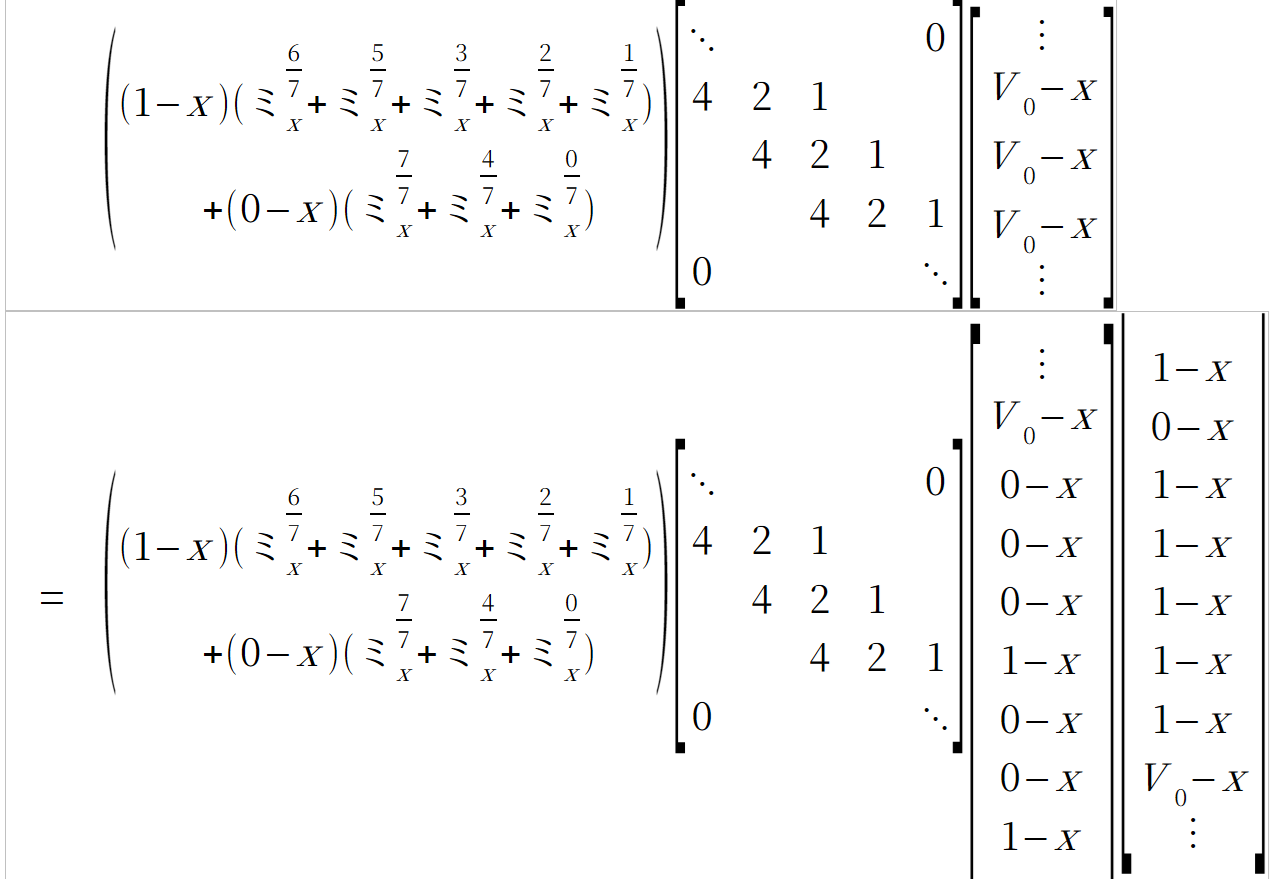
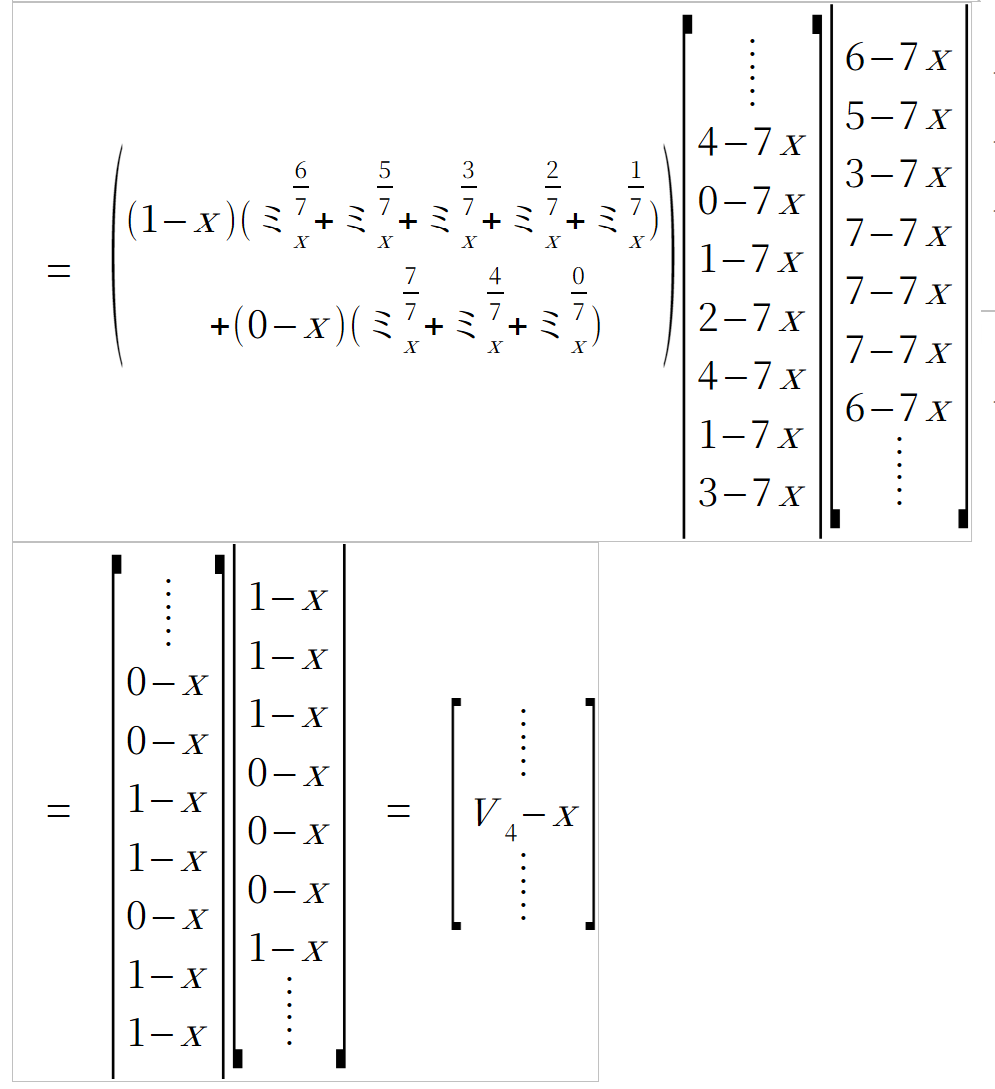
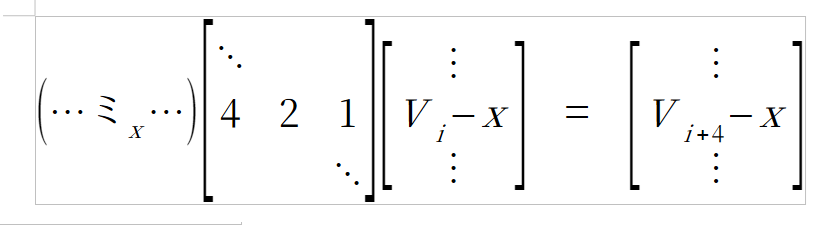
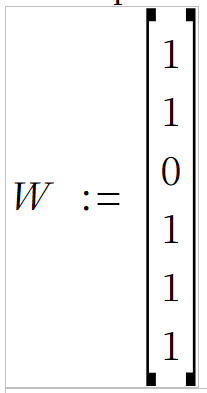
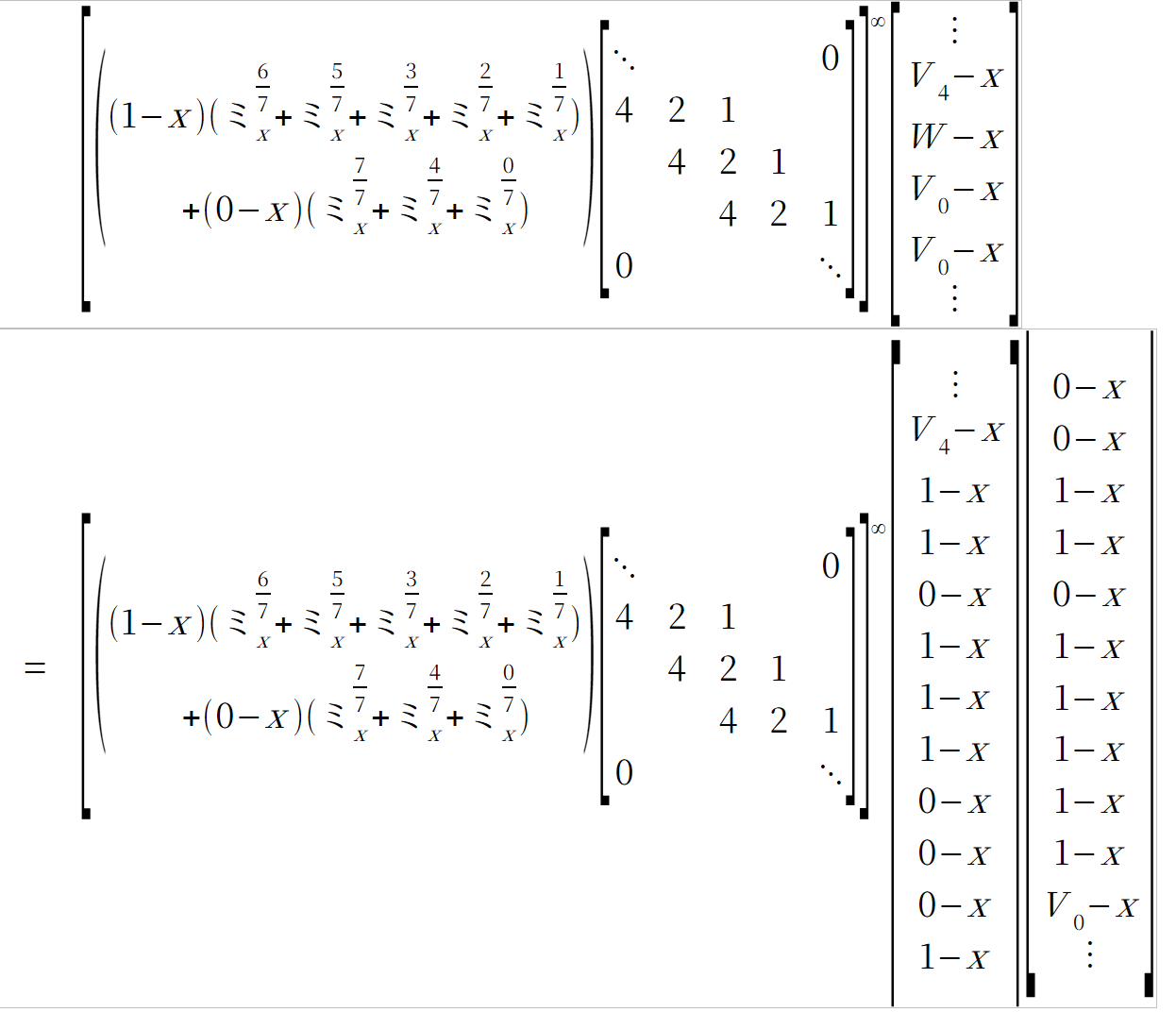
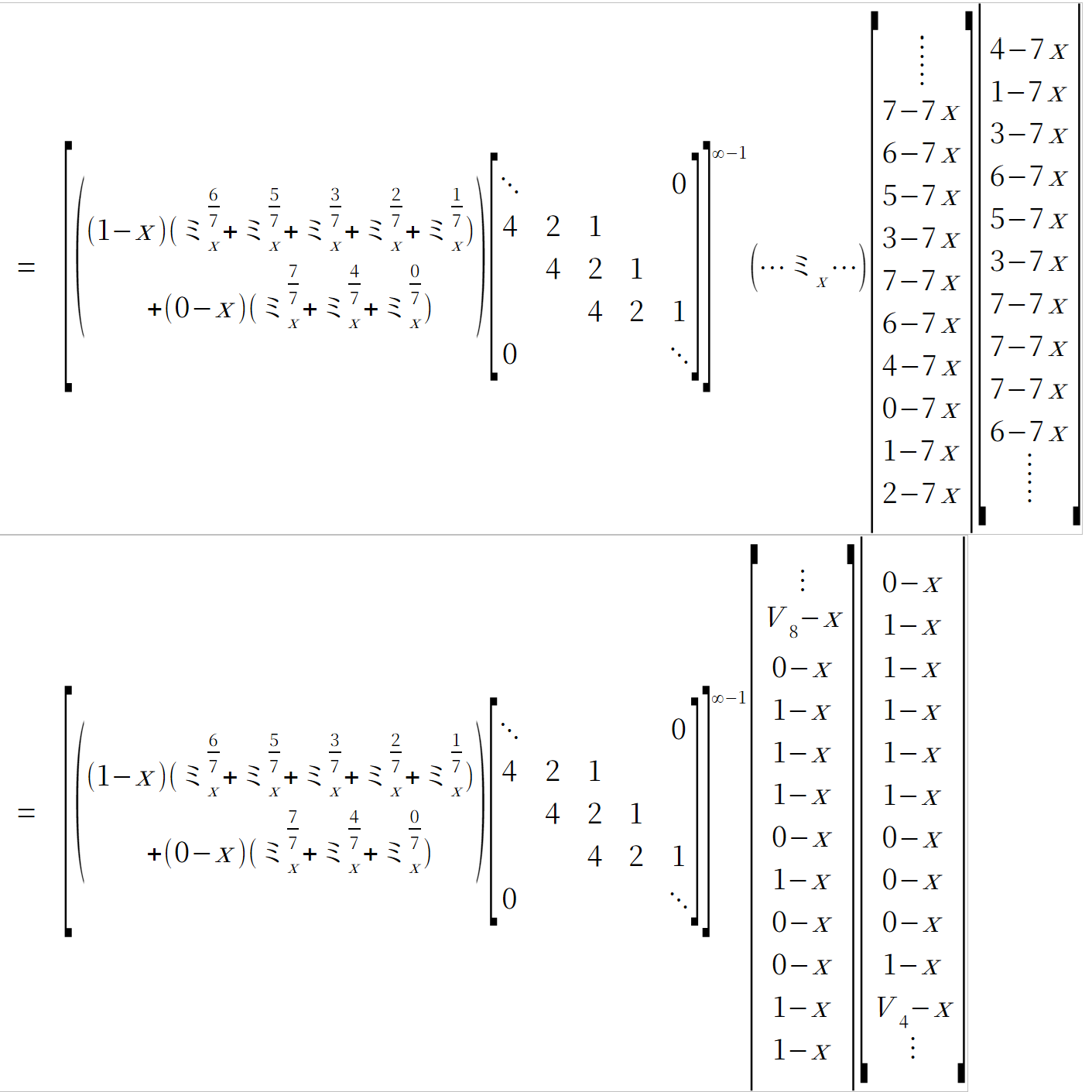
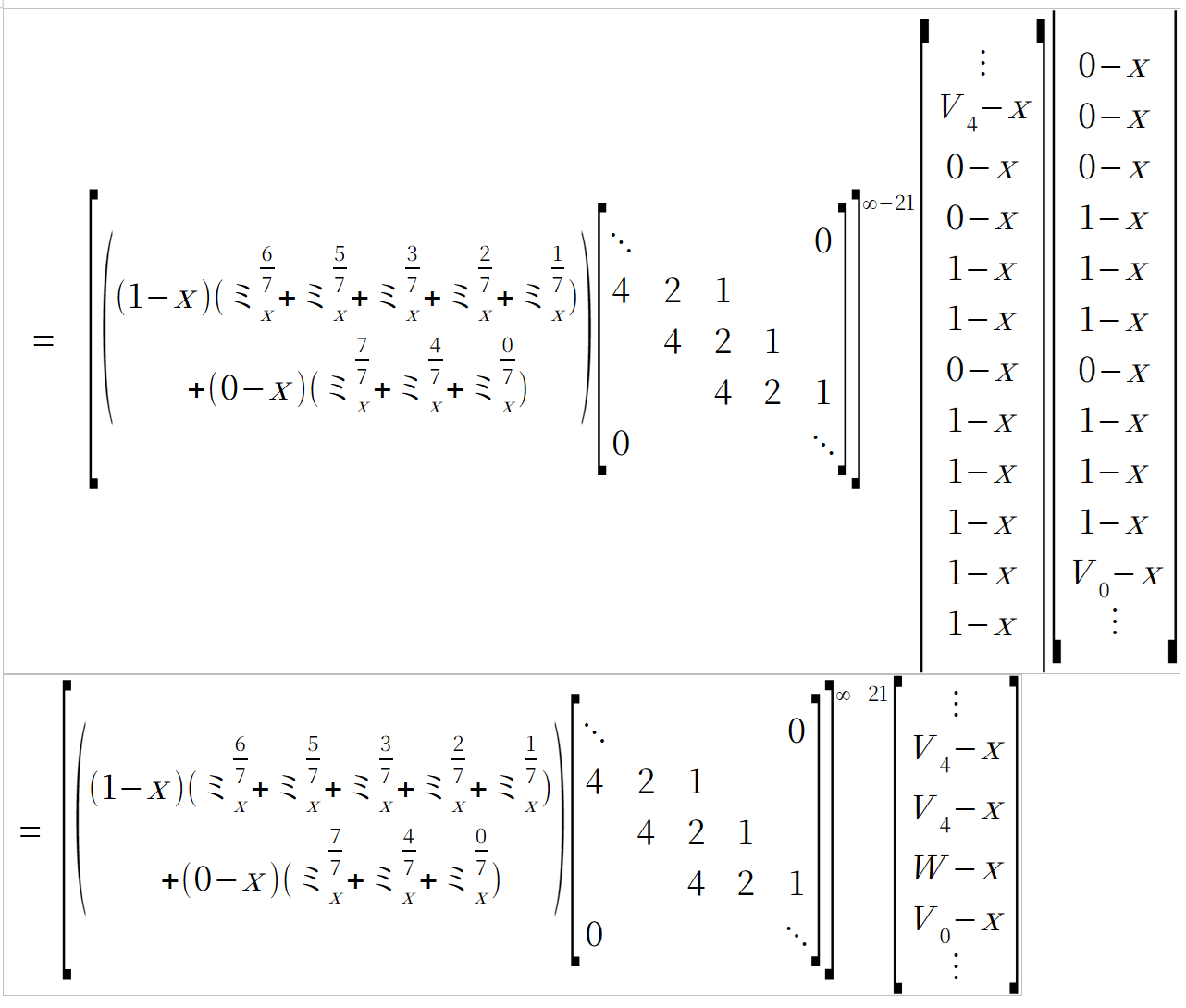
Next, “PRACTICE GUIDE PDF “ page 52, 15-B
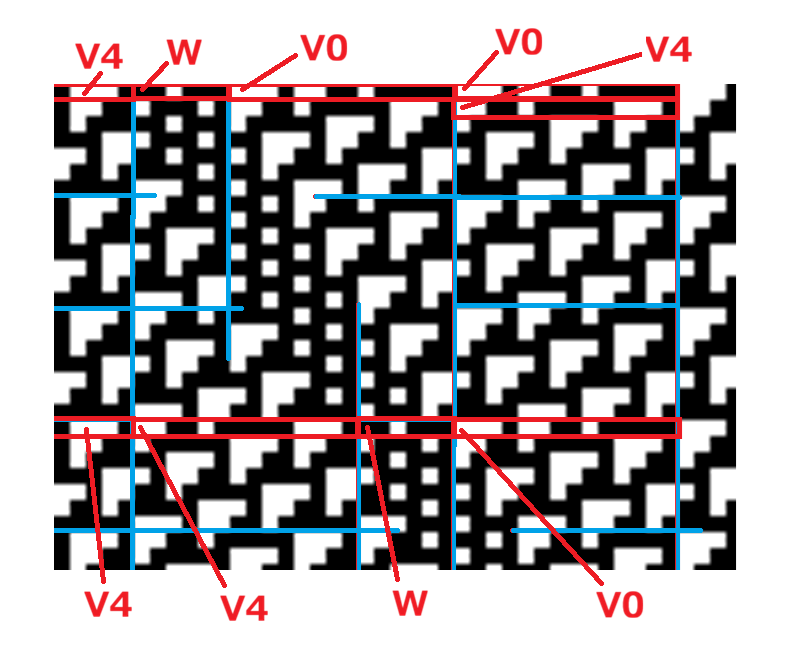
In this machine, bottum bit parts A changes color of traped ball.
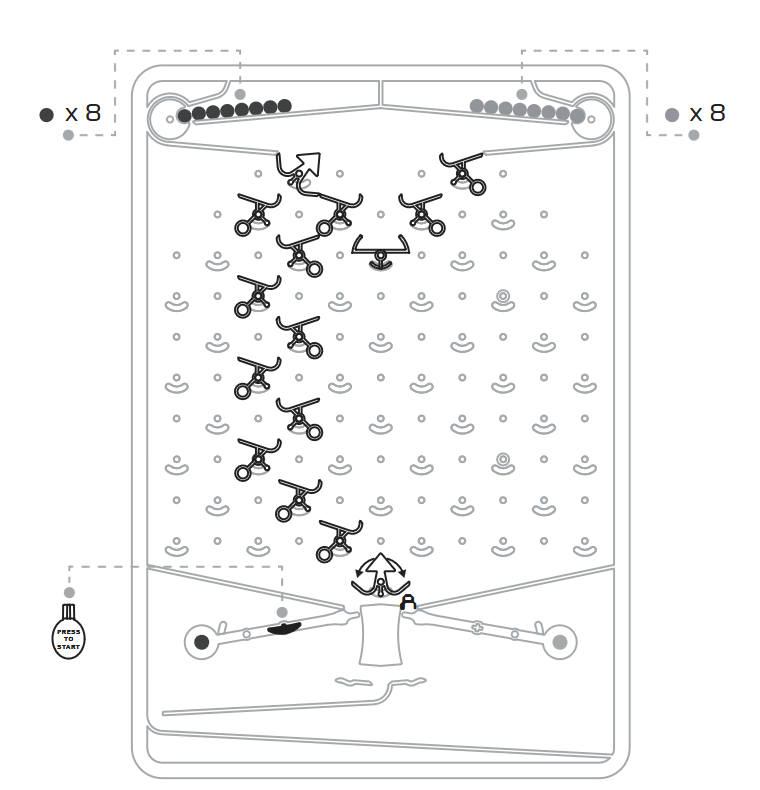
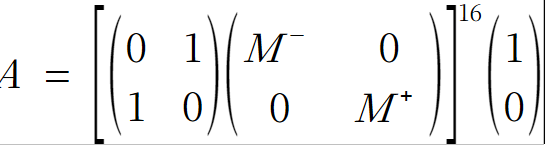
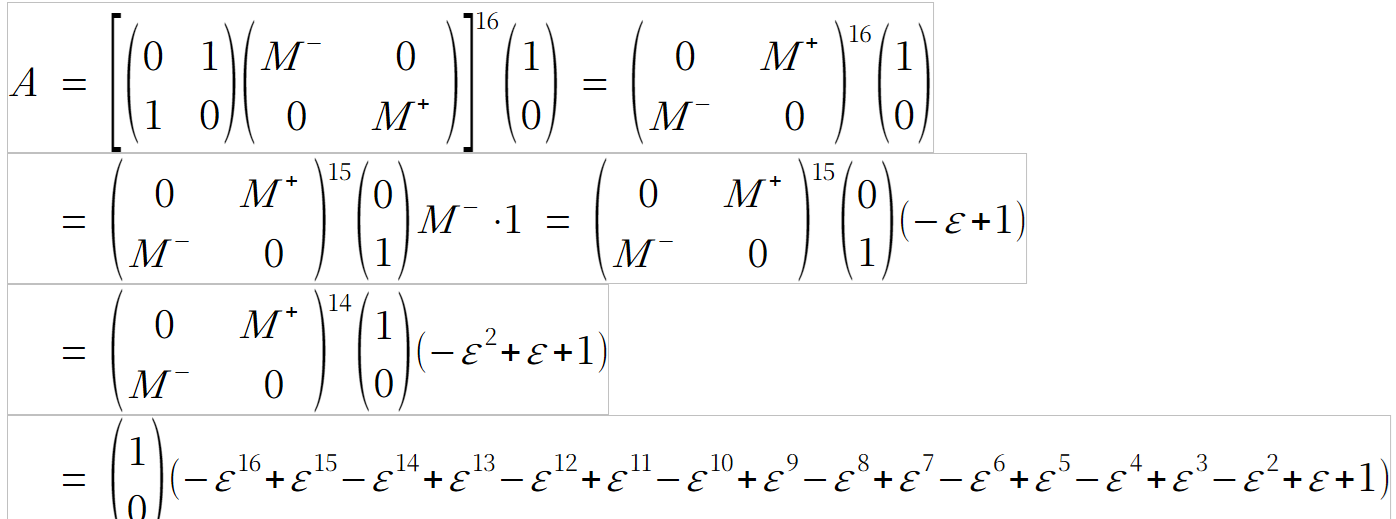
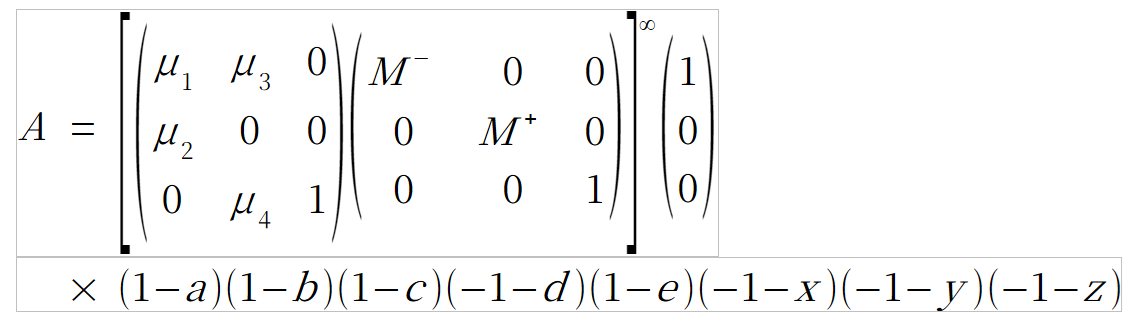
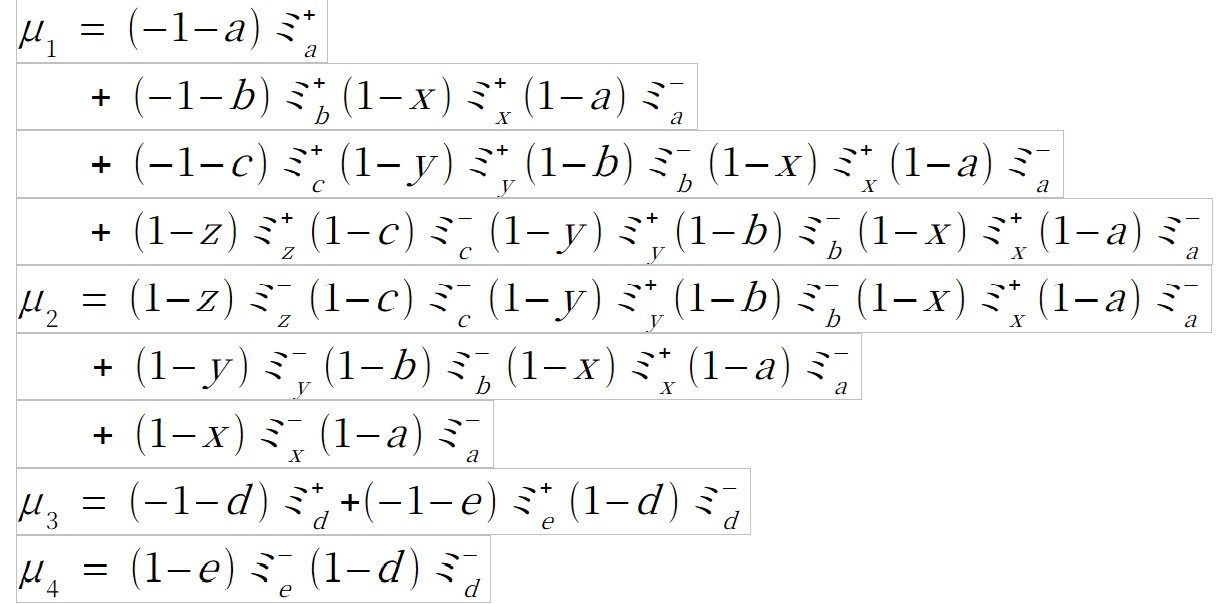
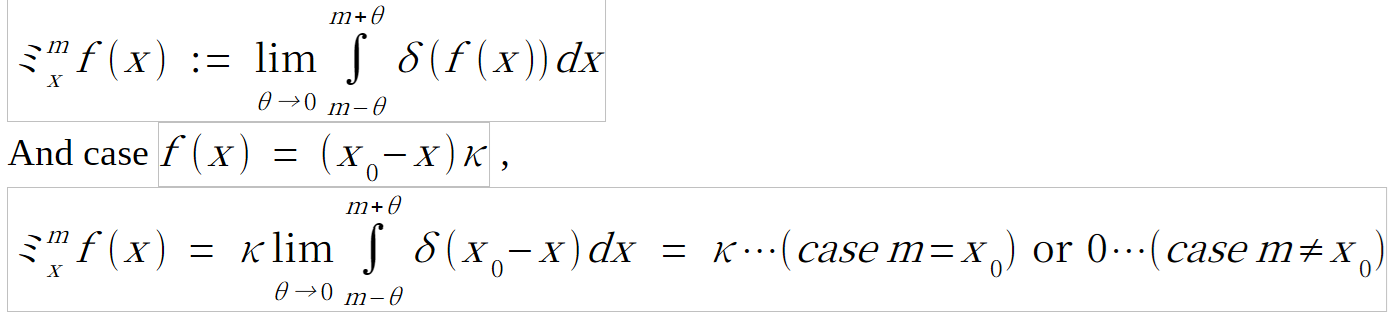
For emulate bit parts, I define strong and simple operator, miracle operator ミ. Since M was used, so I used katakana simbol “mi(ミ)” for this operator.
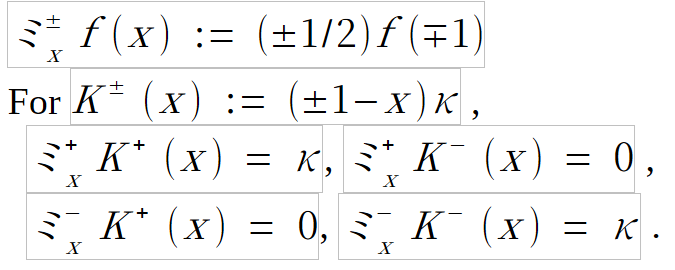
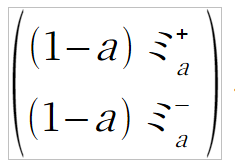
For emulate bit parts changing and divide route, (±1-x) is transformed to (∓1-x) by using operator ミ.
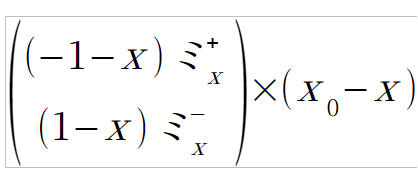
Now, Turing Tumble can be calculated perfectly.
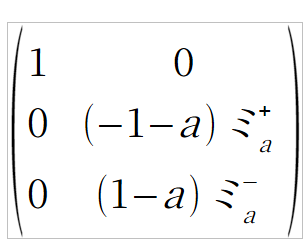
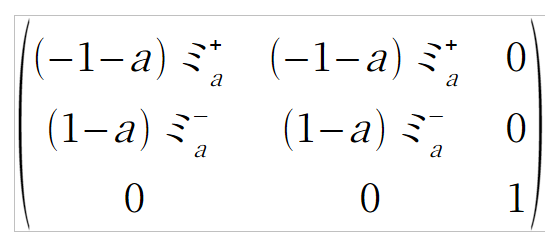
At first, divide board to three sections.
And, we think left bar line, right bar line, and imaginary halt(intercept) line.
In matrix, halt line is shown in right bottom 1.
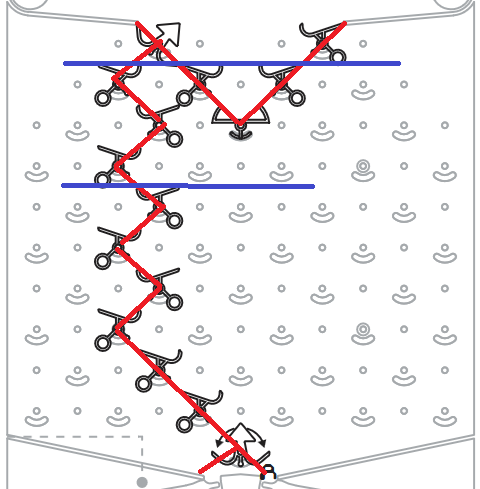
We write down matrix parts, from top.
Note, top bit parts was named as B.
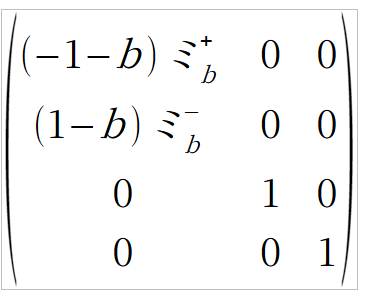
In middle section, one path from bit B, and path from right bar confluence to halt line.
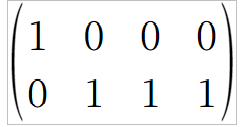
Last section seems as one path, but we must write down imagernary halt line.
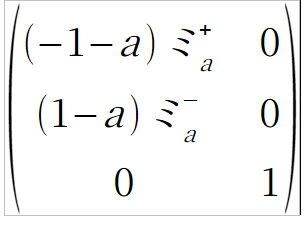
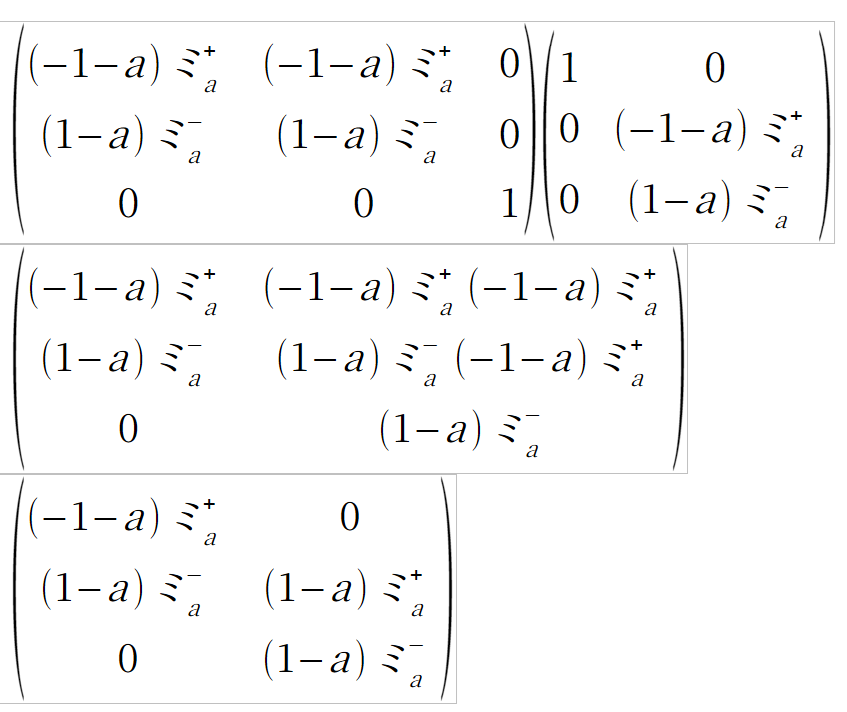
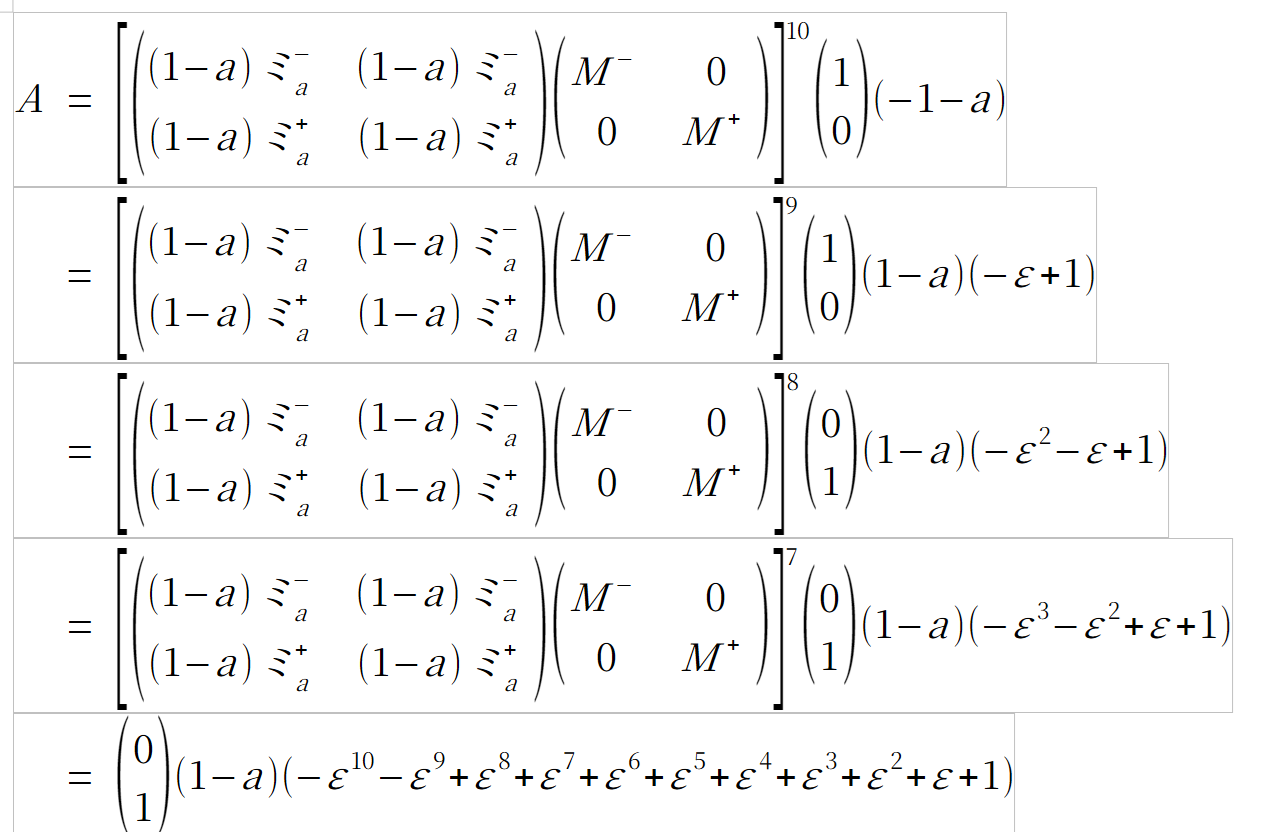
Whole board was calculated as below.

Ball threw this board two times, so matrix timed twice.
Initial input
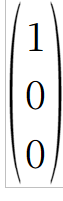
(for halt line, we made three components) and bit state (ao-a)(1-b) was producted.
We get equation correspond to this board.
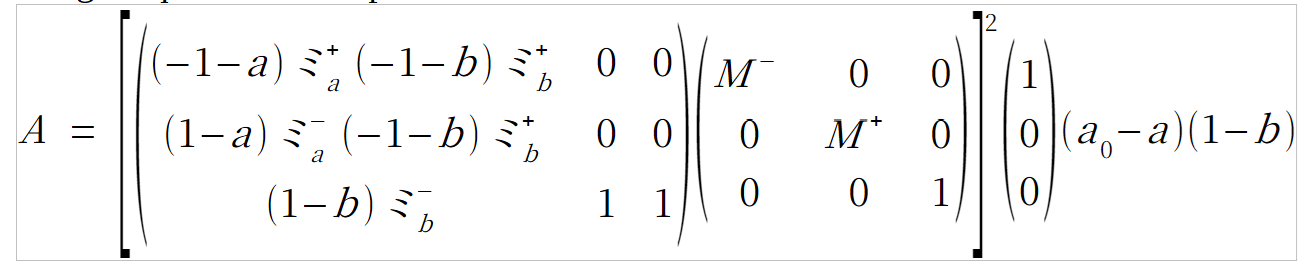
Nomber a0 = ∓1 was determind from direction of bit A.
Case Left: a0=-1. Case Righ: a0=+1.
[CASE1]
Bit A points left, and a0 = -1.
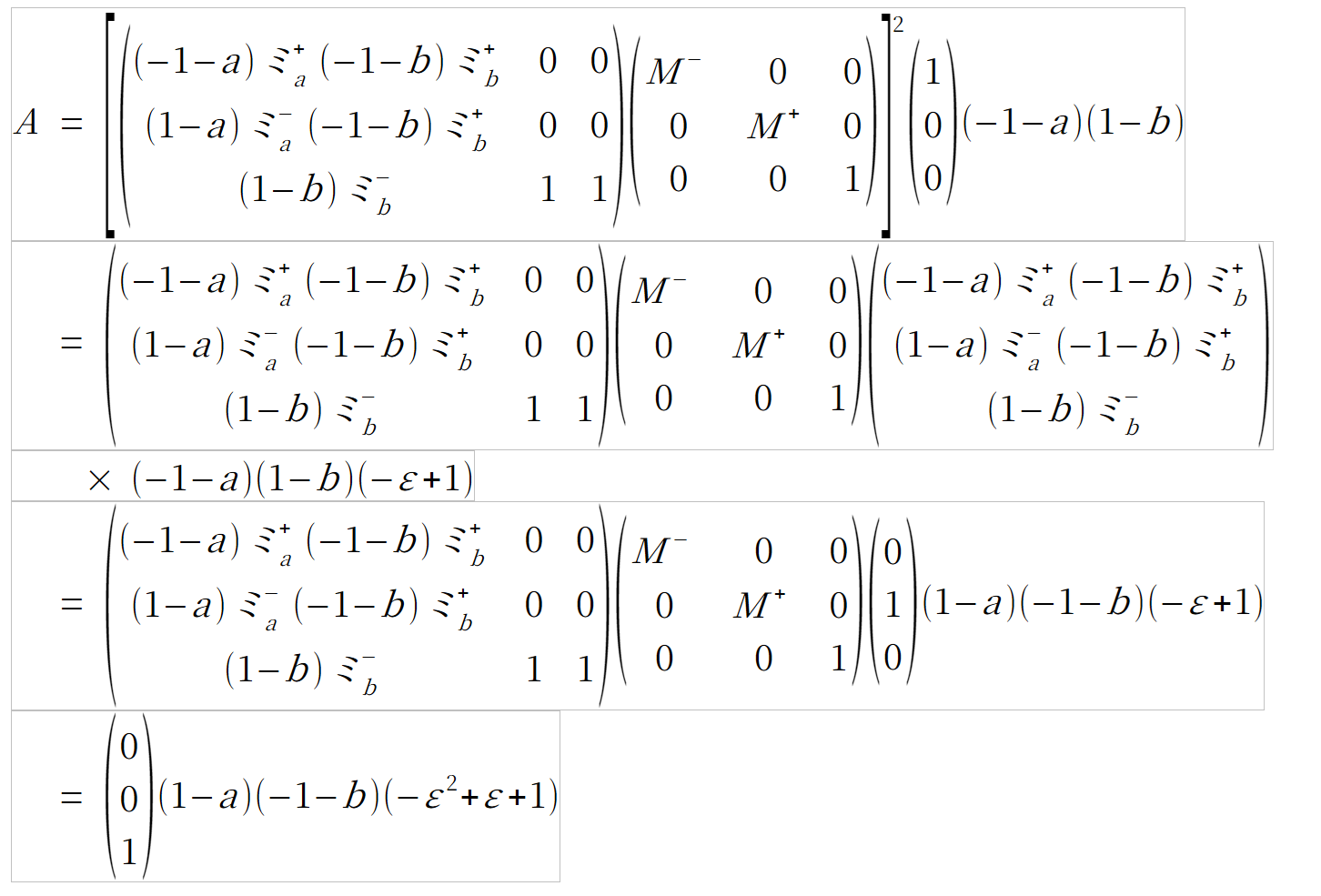
First blue ball -ε^2 at bottom, and second red ball +ε was captured by intercept.
[CASE2]
Bit A points right, and a0 = +1.
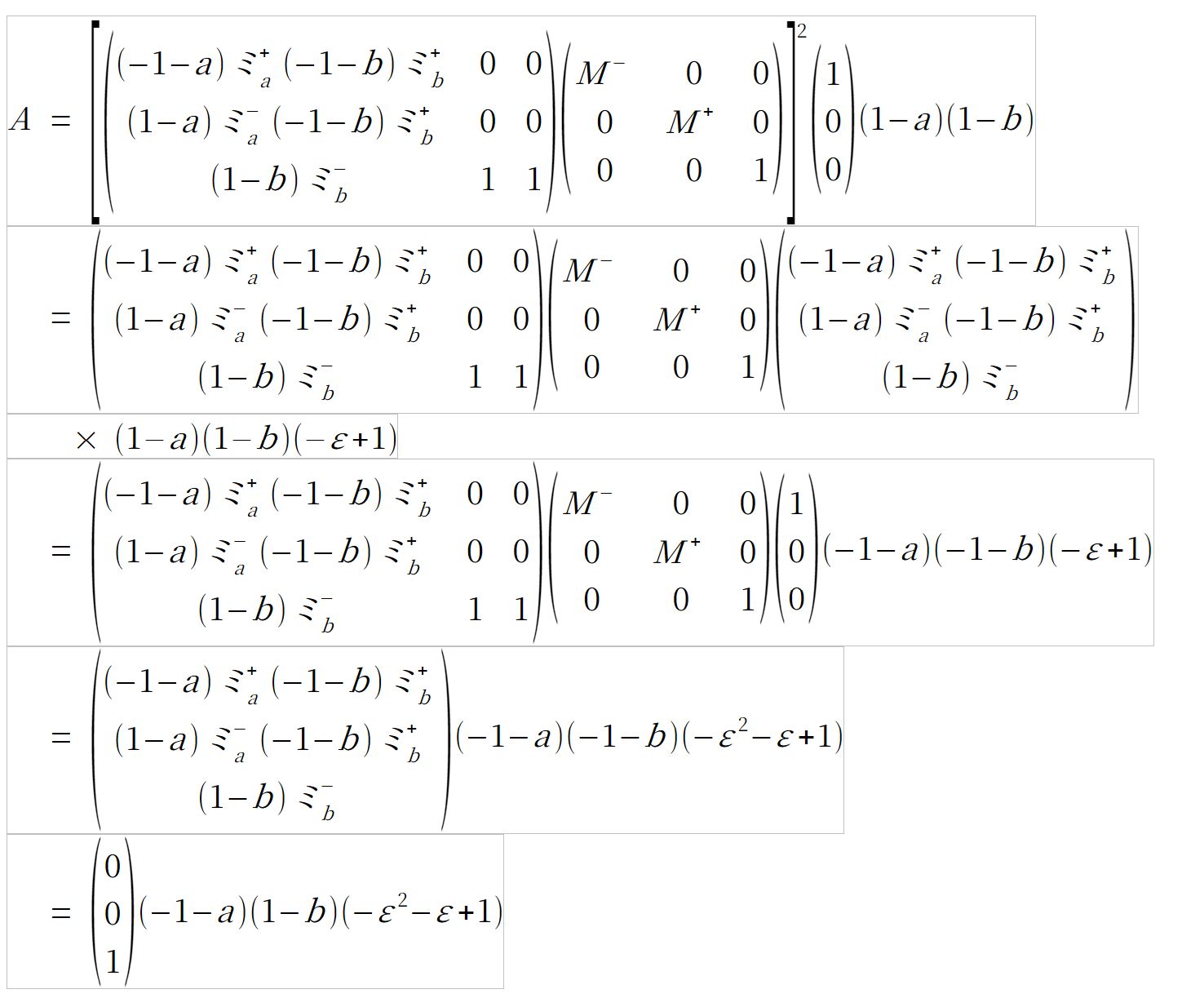
First blue ball -ε^2 at bottom, and second blue ball -ε was captured by intercept.